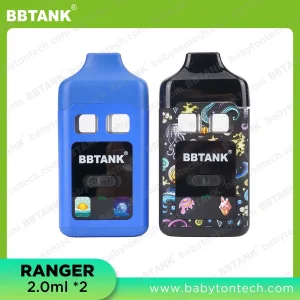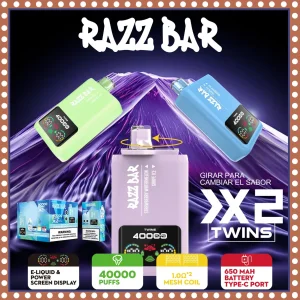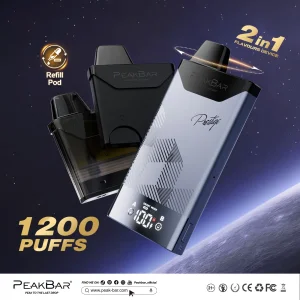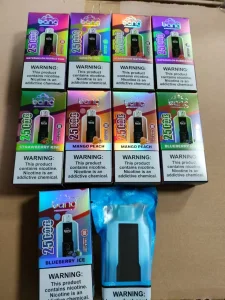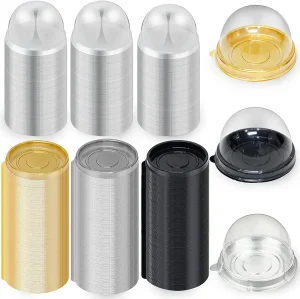

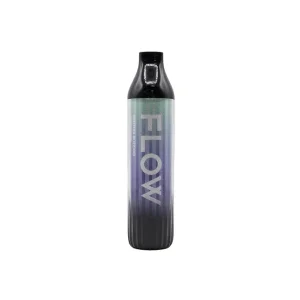

Flavor profile consistency is the benchmark of modern consumer aerosols and high-barrier food containment systems. Testing equipment engineered for flavor quantification does not merely measure olfactory satisfaction; it systematically models volatile organic compounds (VOCs), examines thermal breakdown products, and monitors the shelf-life behavior of dynamic substances. Whether verifying the aerosol emissions of advanced e-cigarettes or ensuring zero taste-migration in complex food packaging materials, flavor evaluation requires specialized scientific methodologies.
Advanced chromatography systems coupled with mass spectrometers (GC-MS) operate at the core of flavor testing. These systems isolate chemical components within a matrix—ranging from complex e-liquid mixtures to volatile outgassings from plastic packaging. Concurrently, simulated human respiration smoking machines and aerosol collection systems track nicotine delivery speeds and aerosol particle size distributions. This ensures the output flavor characteristics align precisely with initial product formulations without undergoing thermal decomposition.
For high-performance food containment (such as PET, PP, and biodegradable packaging systems), flavor testing is closely tied to mass transport physics. Permeation analysis systems evaluate gas transmission rates (oxygen, carbon dioxide, water vapor) to prevent oxygen-induced rancidity and volatile escape. Headspace gas analysis allows laboratories to calculate migration indexes, ensuring that structural polymers do not transfer unreacted monomers or processing additives to delicate flavor compounds. This maintains pure product flavor from production to final consumption.
Isolates and identifies individual flavor volatile components with accuracy to parts-per-billion (ppb).
Simulates puff durations and temperatures to analyze thermal degradation, carbonyls, and heavy metals.
Measures oxygen, moisture, and VOC migration indexes in food-grade polymers and bio-plastics.
Guangdong Blvck Vape Co., Ltd. is a leading manufacturer specializing in the research, development, production, and global supply of high-quality electronic cigarettes and vaping devices. Based in Guangdong, China, we leverage advanced manufacturing capabilities and innovative technology to provide reliable vaping solutions for customers worldwide.
As a professional OEM & ODM manufacturer, we are committed to delivering premium disposable vapes, pod systems, vape kits, and customized vaping products that combine cutting-edge technology, stylish design, outstanding performance, and strict quality standards. Our experienced engineering and R&D teams continuously develop new products and improve existing models to meet the ever-changing demands of the global vaping market.
Quality is at the core of everything we do. Every product is manufactured using high-quality materials and premium components under rigorous quality control procedures. From product design and engineering to production, testing, and packaging, every stage is carefully managed to ensure consistency, safety, reliability, and customer satisfaction.
Innovation drives our growth. Every month, our R&D team introduces new designs, enhanced features, and upgraded technologies to improve flavor delivery, battery performance, user convenience, and overall vaping experience. We are dedicated to helping our partners stay ahead in a highly competitive market.
At Guangdong Blvck Vape, we believe that strong partnerships are built on trust, quality, and professional service. We provide comprehensive OEM & ODM solutions, flexible customization, fast production, and efficient global logistics support to help customers successfully build and expand their own brands.
Our products are exported to markets across North America, Europe, the Middle East, Southeast Asia, and other regions, earning the trust of distributors, wholesalers, and brand owners around the world.
Our mission is to develop safer, smarter, and more innovative vaping products while maintaining the highest standards of quality and compliance. Through continuous innovation, reliable manufacturing, and exceptional customer service, Guangdong Blvck Vape Co., Ltd. strives to become one of the world's most trusted partners in the vaping industry.
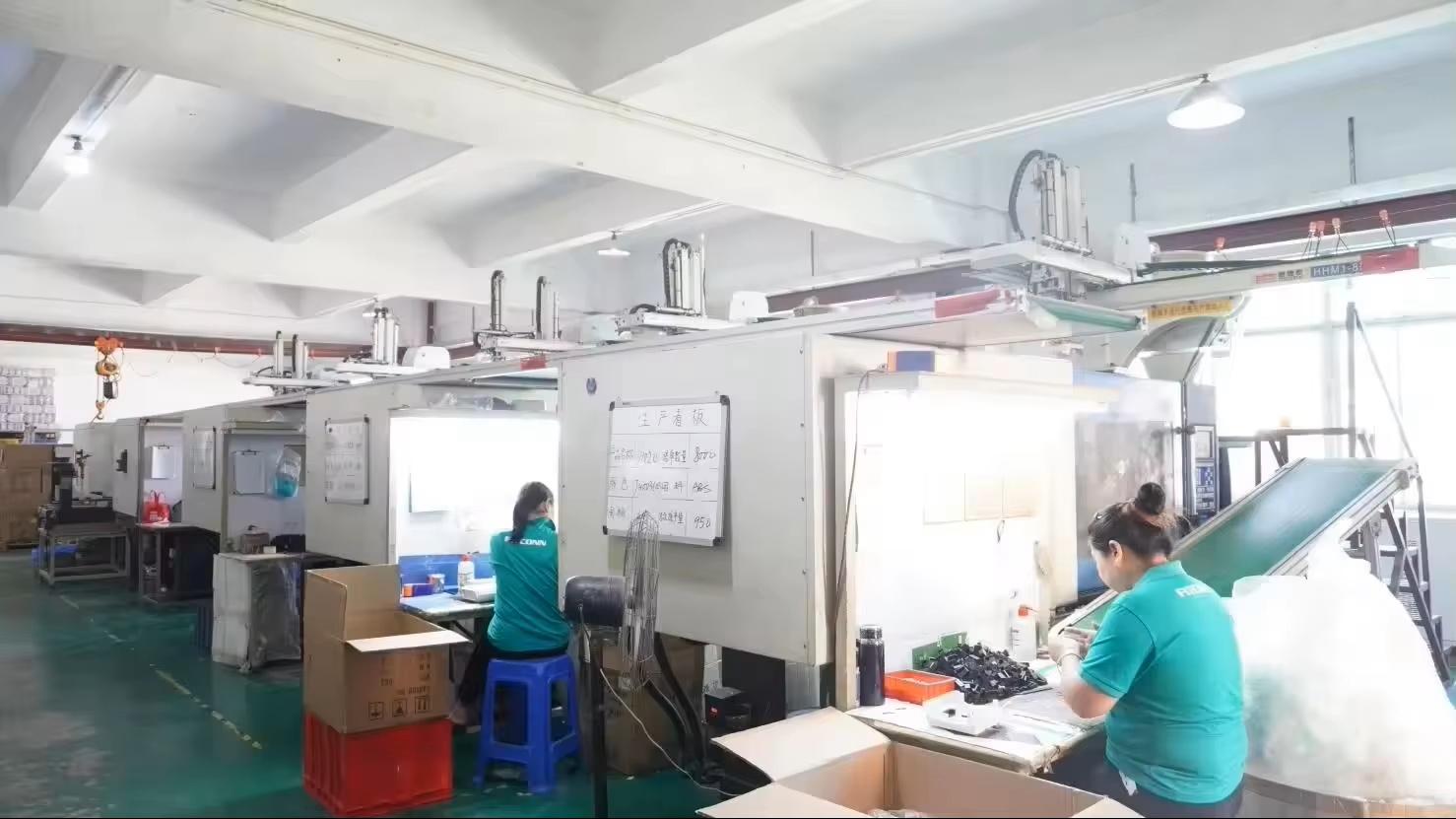
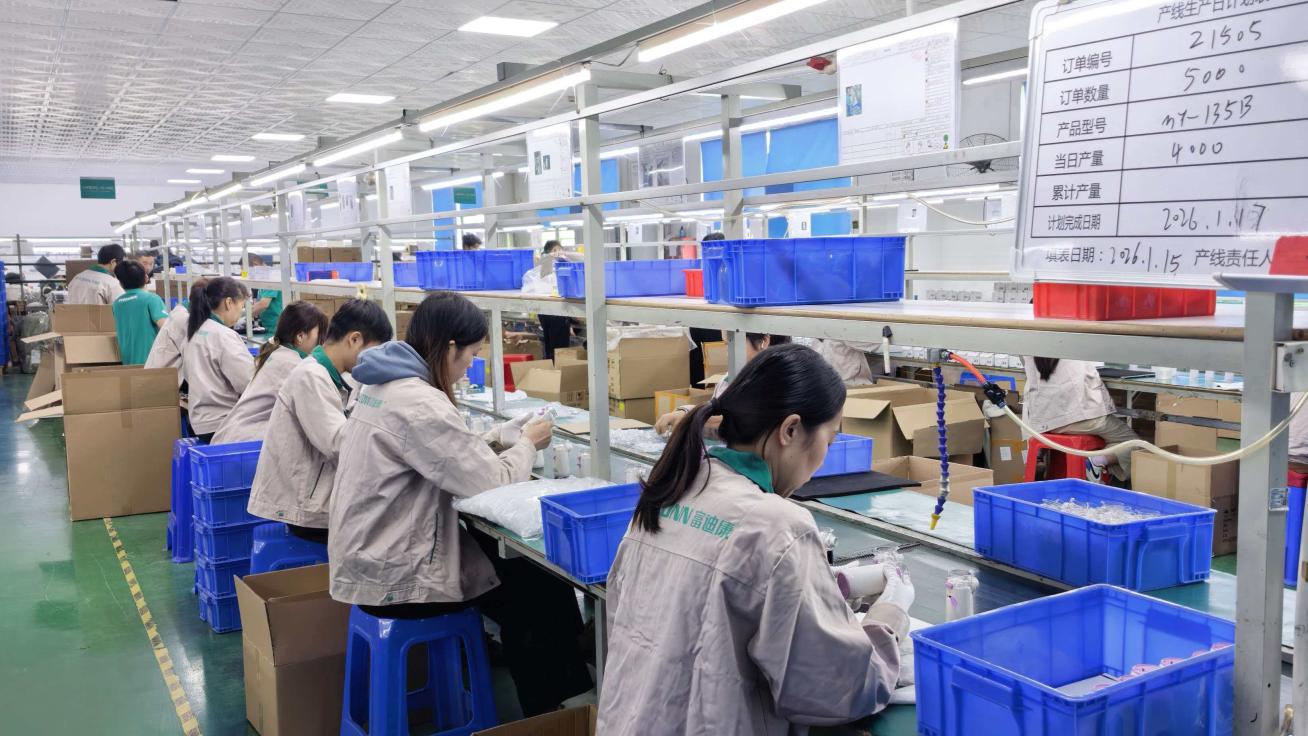
By incorporating automatic soldering, precision injection molding, and computer-controlled verification loops, we ensure that every vaping product and food-safe barrier system meets strict tolerances, eliminating deviations in flavor delivery.
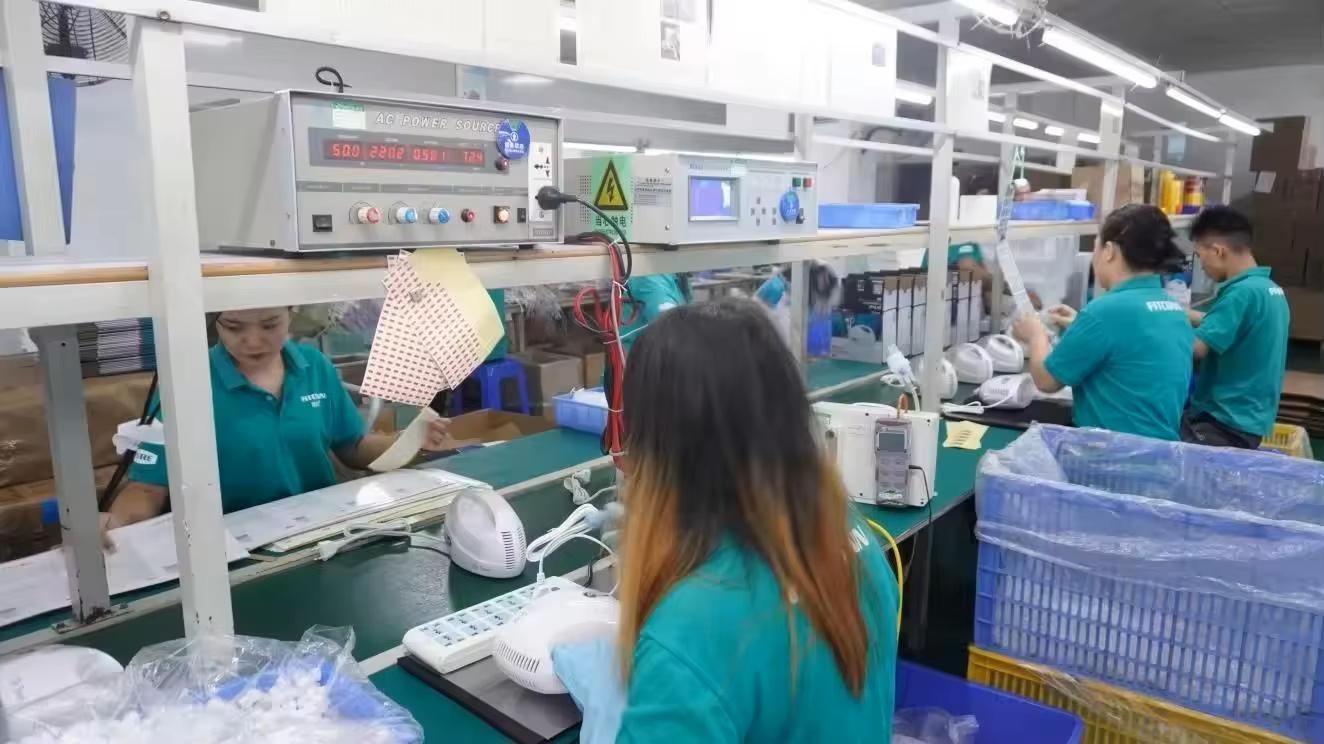
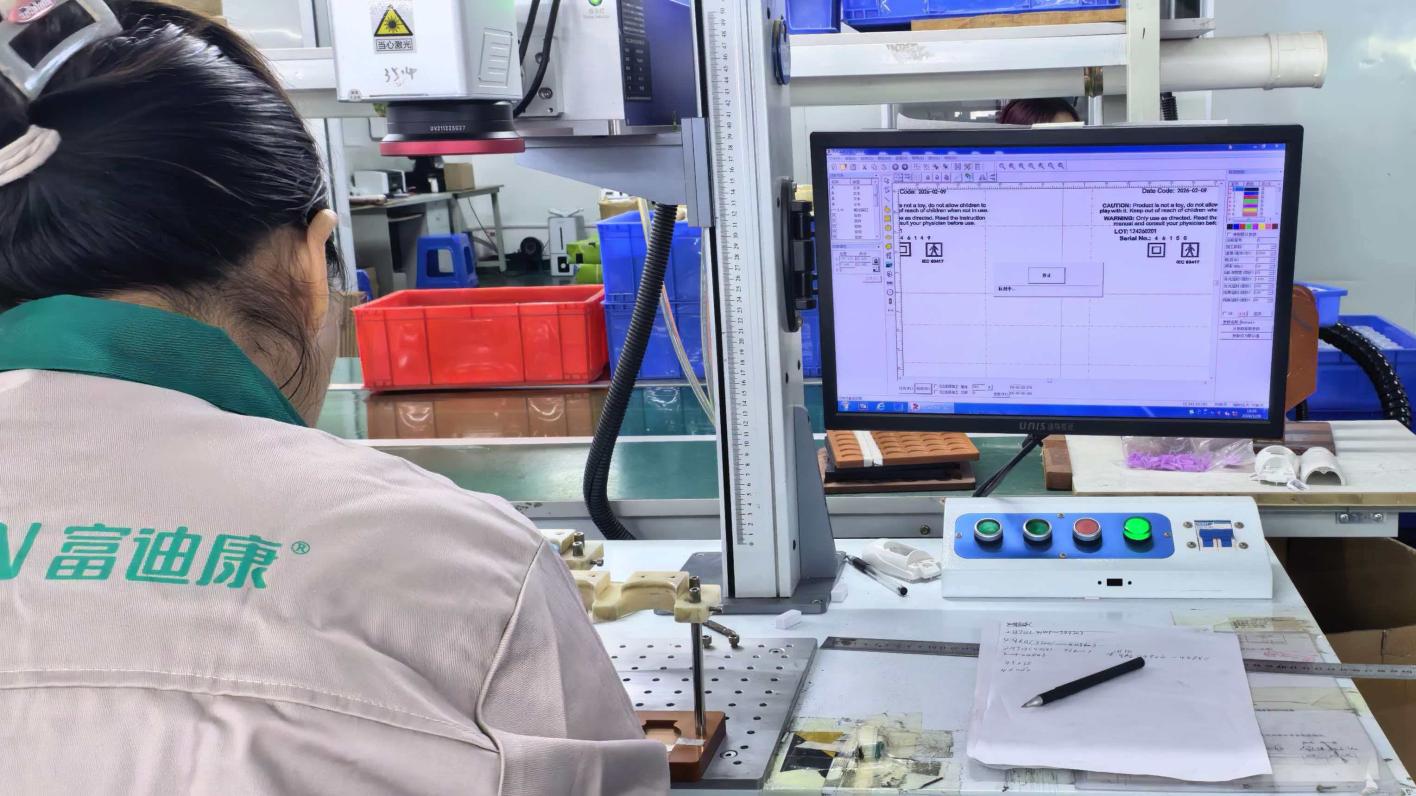
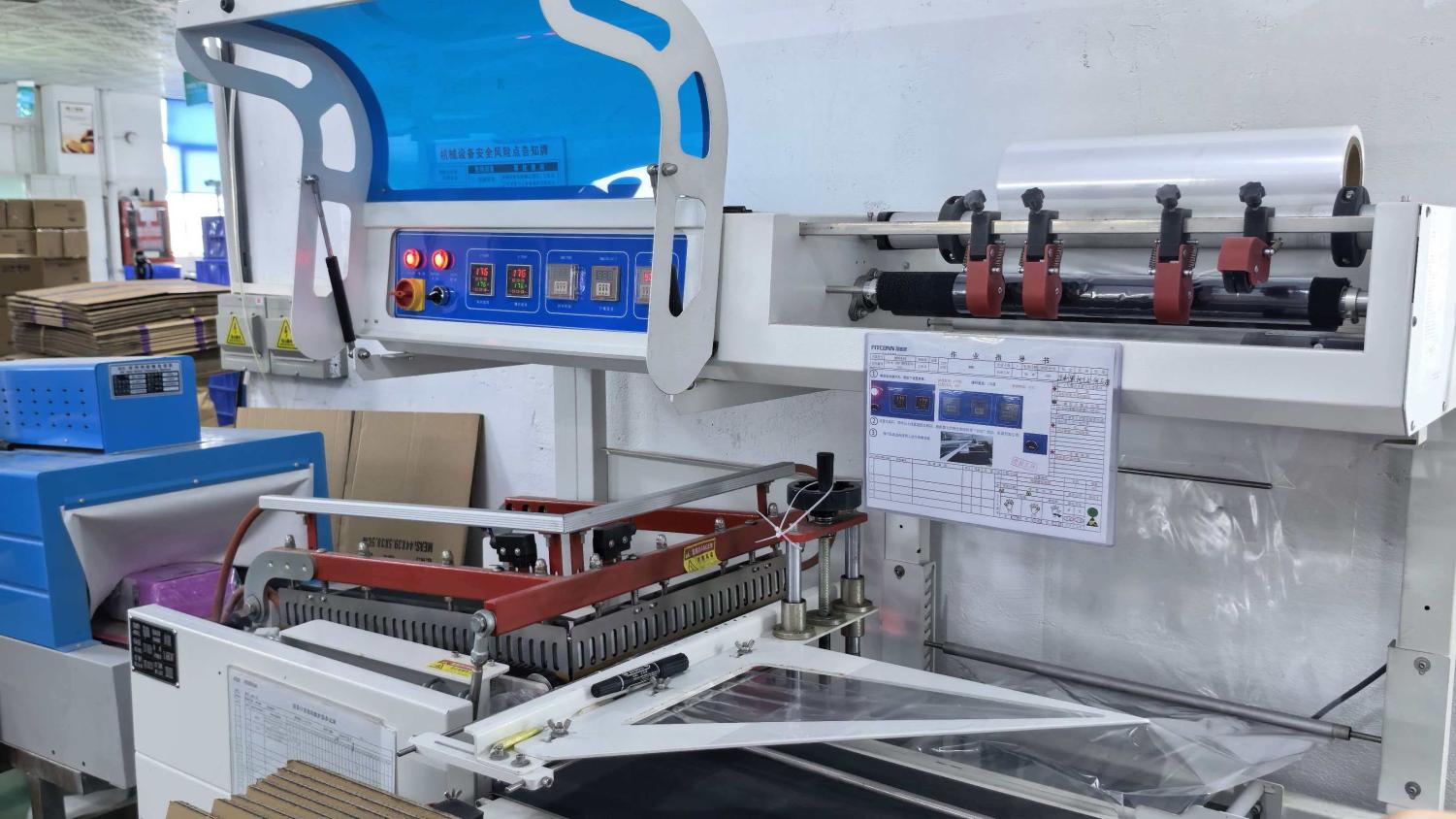

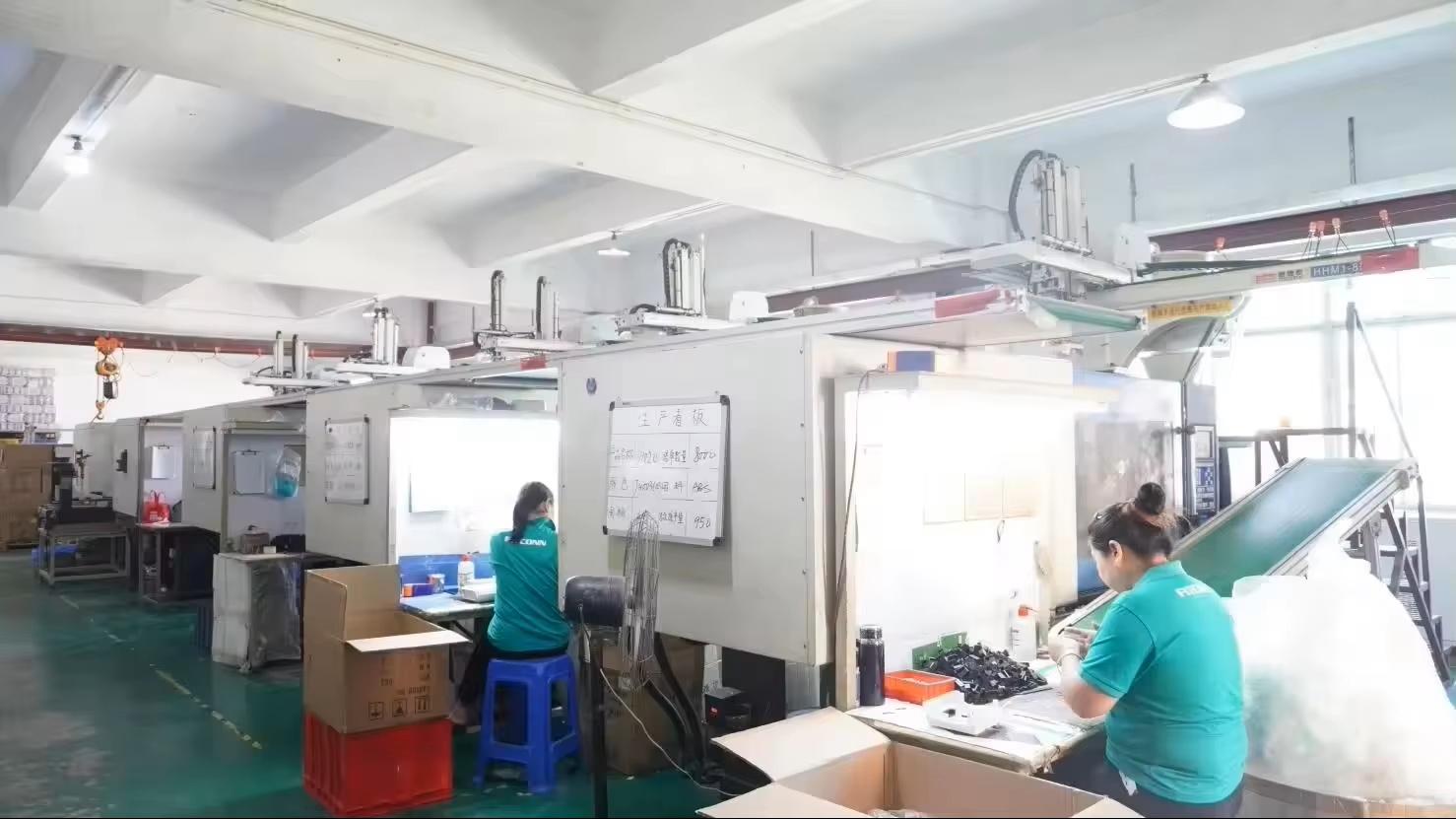
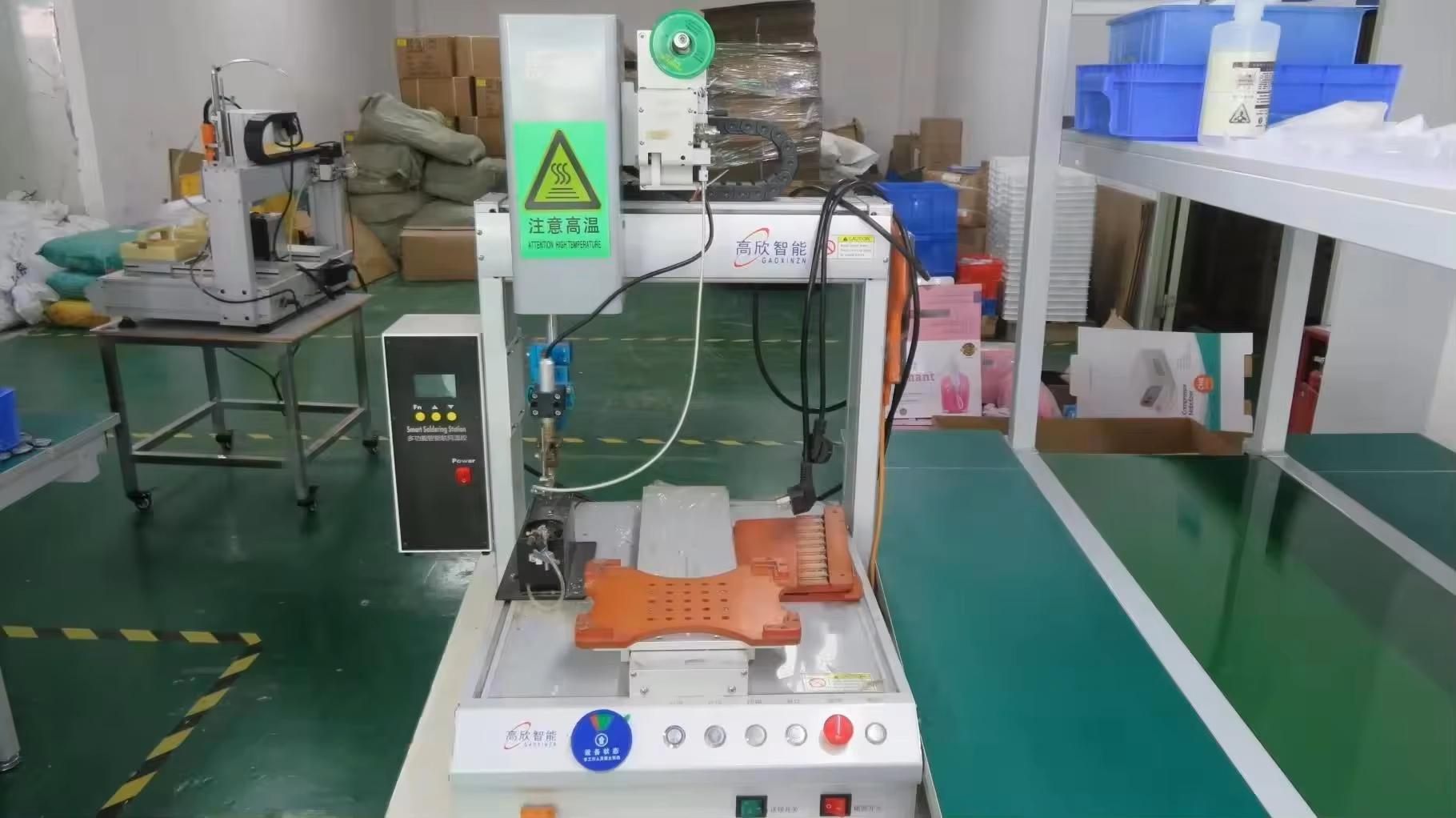
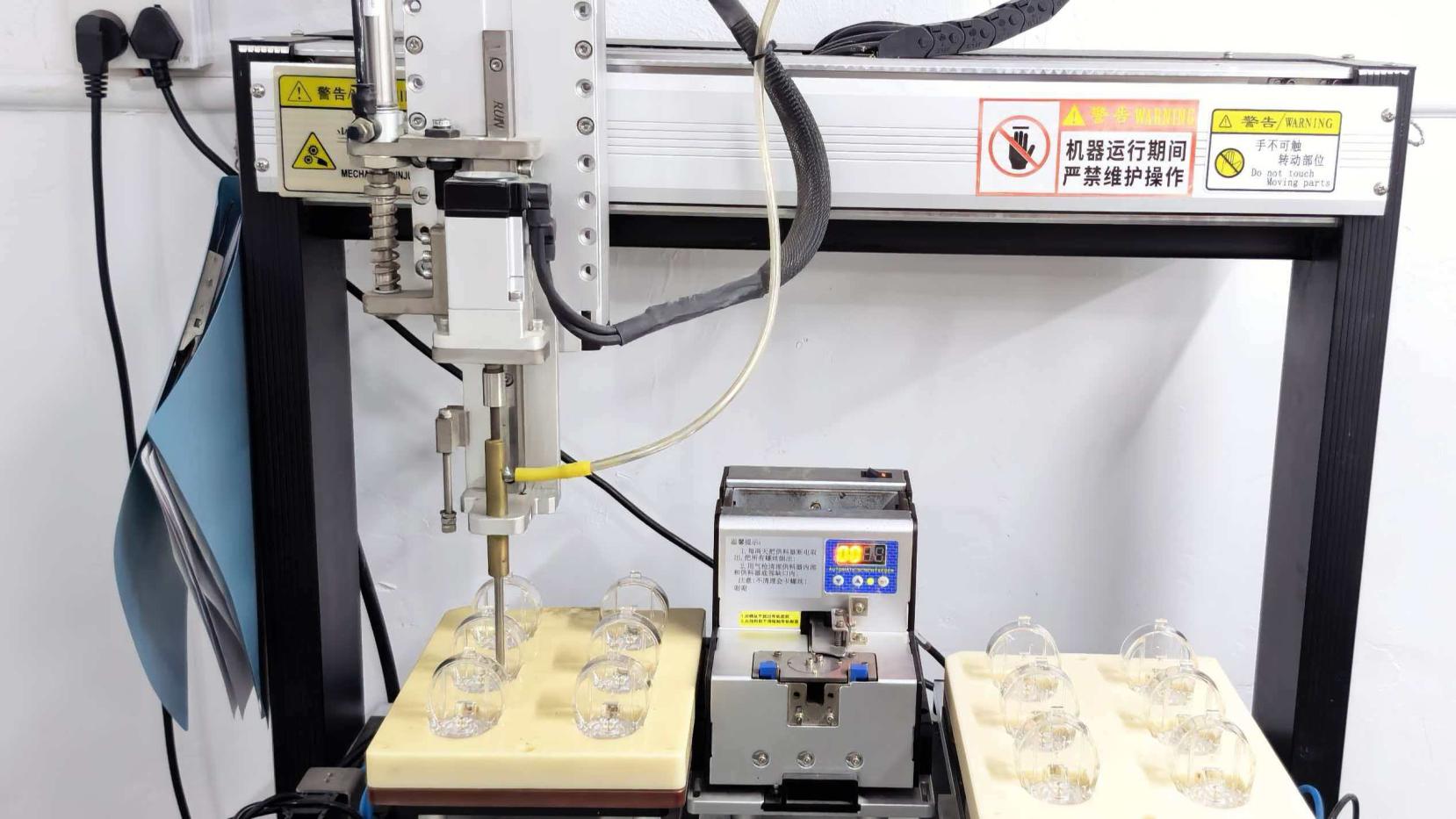
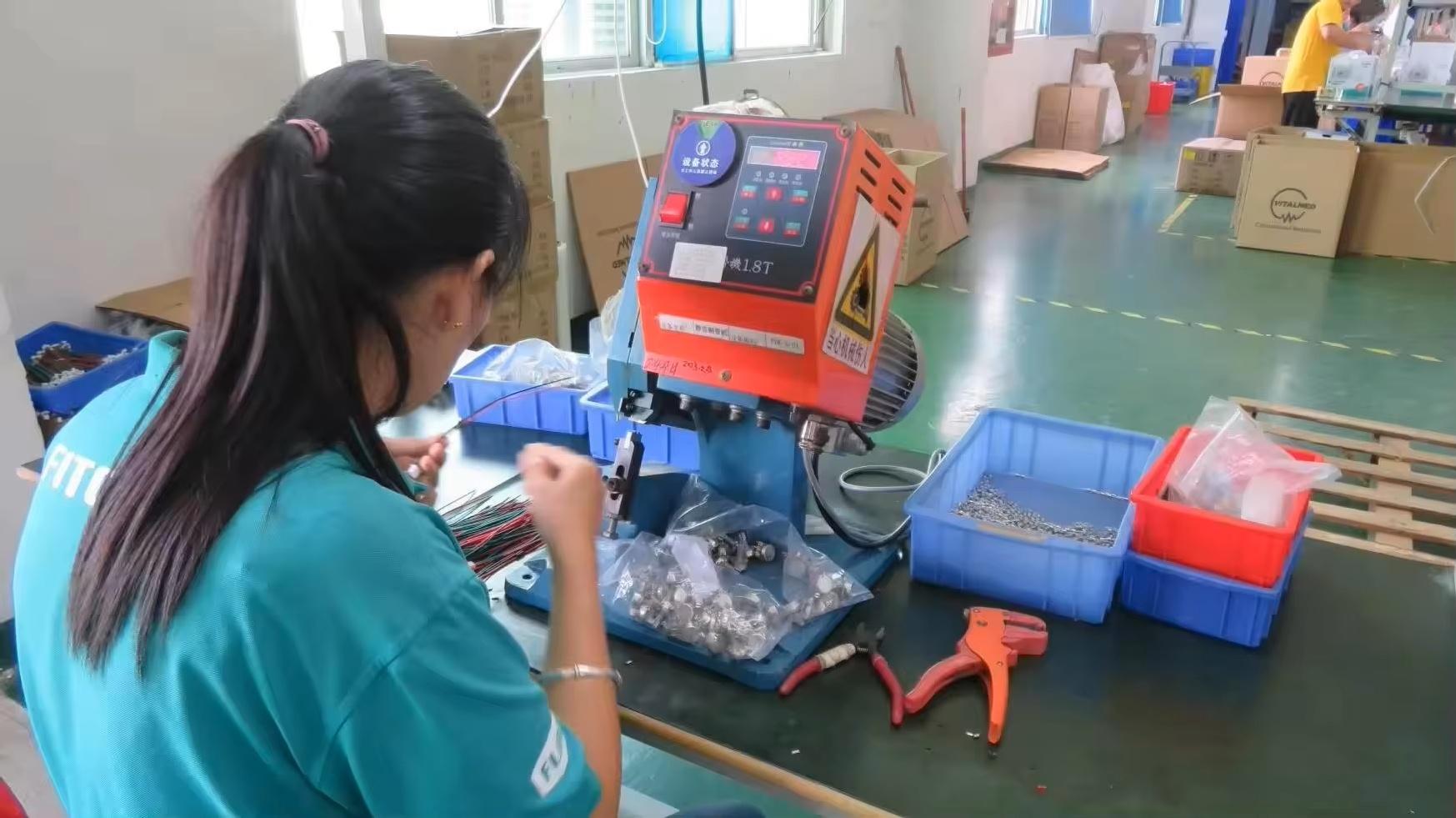
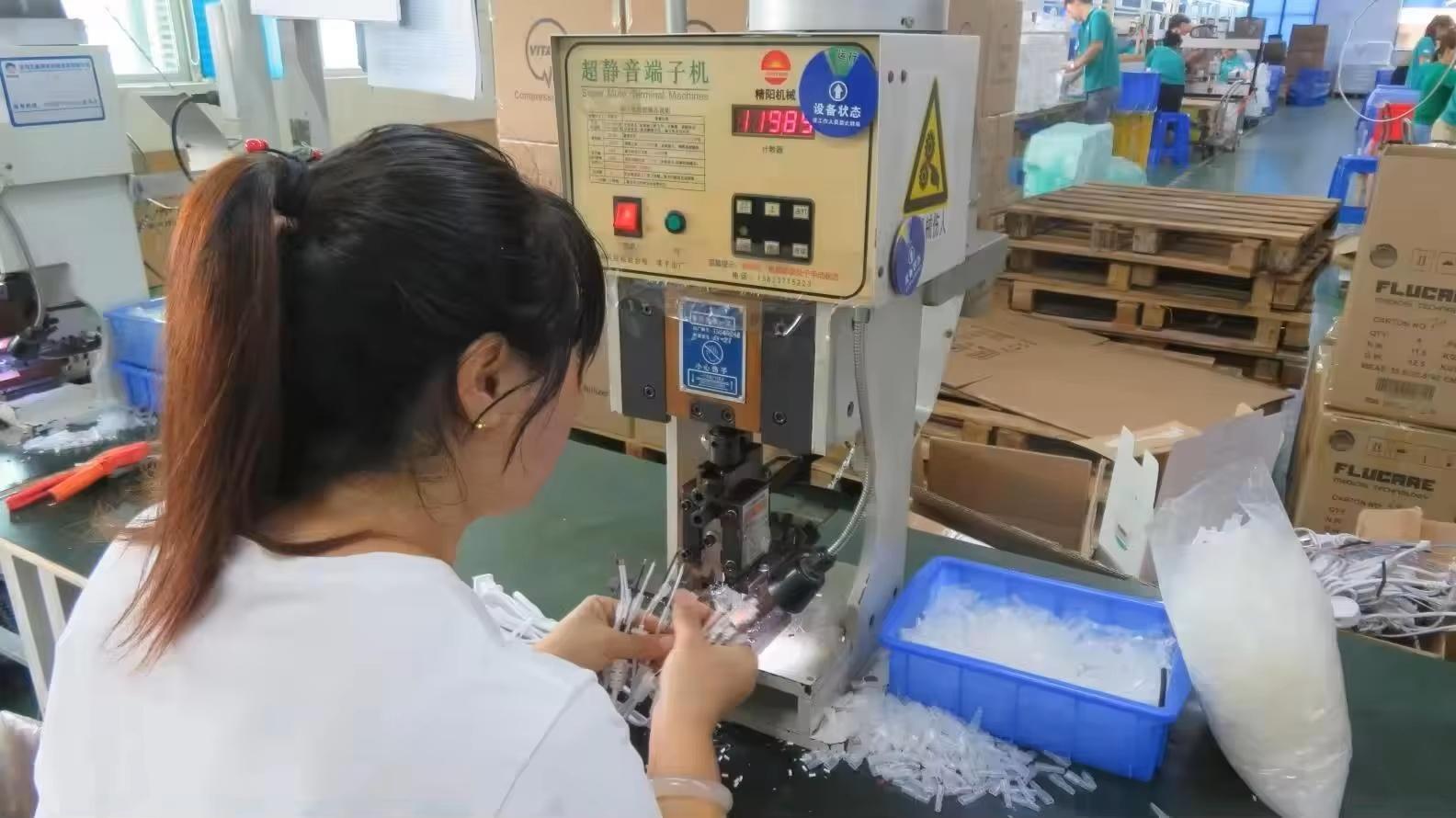
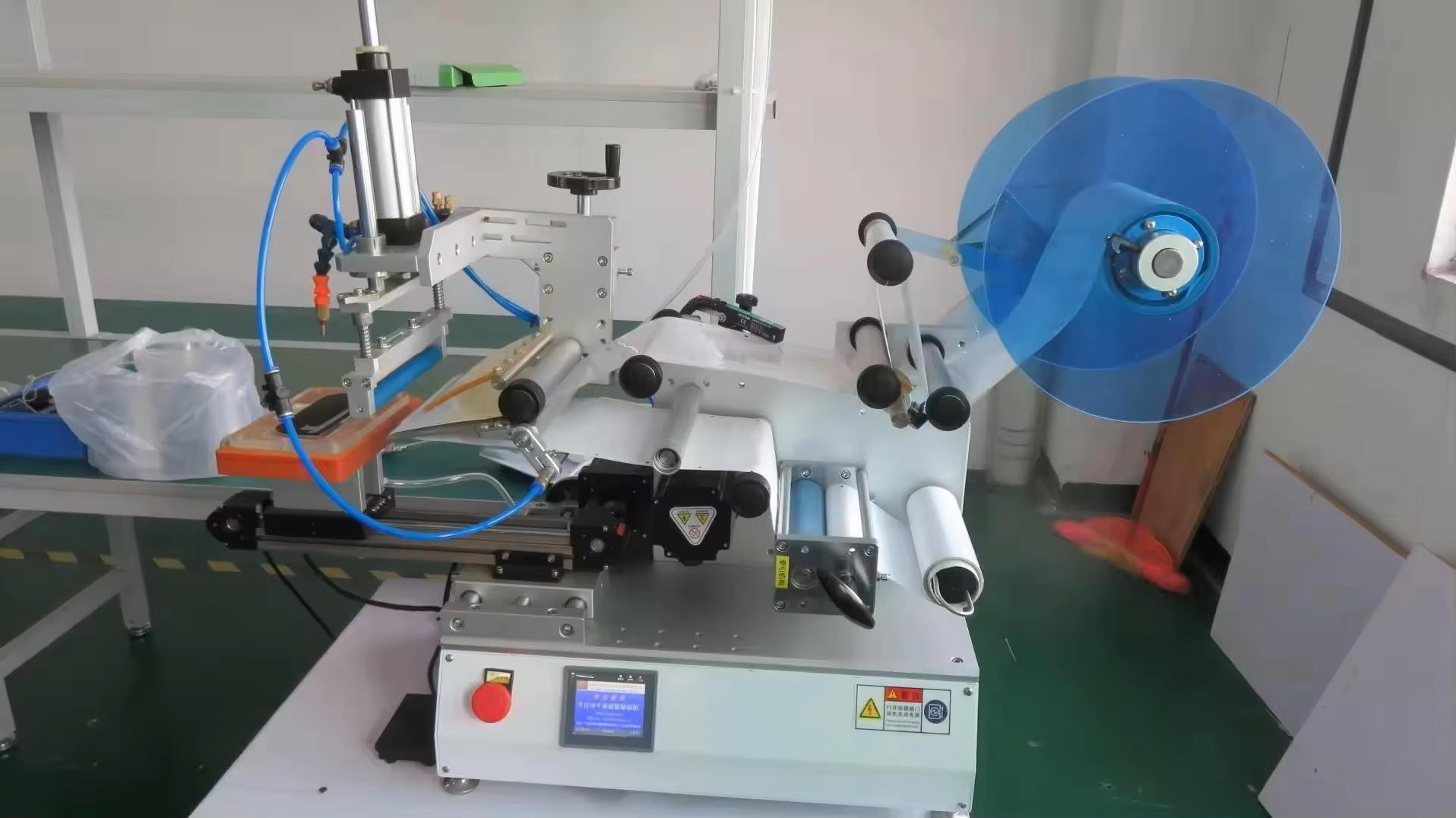
Analytical science is shifting toward real-time, non-destructive chemical detection. The traditional practice of collecting aerosol condensate over several hours and analyzing it via off-site chromatography is being replaced by inline sensors. High-speed, high-resolution spectrometers are now designed to analyze emissions at the point of creation, providing immediate data on flavor profiles and thermal breakdown.
Our upcoming research centers on "Electronic Noses" (E-Noses) equipped with customizable metal-oxide semiconductor (MOS) sensor arrays. These systems mimic biological scent receptors, translating complex chemical blends into digital fingerprint graphics. By training machine-learning algorithms on established database profiles, these instruments can immediately identify deviations in e-liquid batches, food-grade packaging polymers, or botanicals during mass production.
Another major research milestone focuses on microfluidic lab-on-a-chip setups. By scaling down analytical chromatography to the chip level, we aim to produce portable testing devices that allow distributors and regulators to verify flavor authenticity and compliance on the spot. This level of mobile verification will help prevent counterfeit distribution and verify product quality throughout the international supply chain.
Additionally, the development of dynamic thermal stress profiling (DTSP) instruments allows laboratories to replicate the thermodynamic conditions inside modern mesh-coil vaporizers. This helps analyze thermal reactions under real-world usage patterns, allowing manufacturers to optimize coil designs for clean flavor delivery.
Our analytical systems address the distinct needs of two major consumer sectors: electronic aerosols and high-barrier containment systems. Each field has unique regulatory and quality control challenges that require specialized testing methods.
For high-capacity disposable platforms and dual-chamber pod systems, testing equipment must analyze compound vapor delivery under varying voltages and resistance settings. Continuous draw testing identifies the exact temperatures at which flavor compounds begin to break down into unwanted carbonyl compounds like formaldehyde or acrolein. This data informs coil design and airflow engineering, ensuring stable flavor delivery over thousands of puffs.
For components like blister packs, dome cake containers, and biodegradable takeaway boxes, our testing methods focus on polymer migration. Volatile compounds can migrate from packaging materials into food, causing changes in taste and aroma. Through headspace gas chromatography and olfactometry, we help material engineers measure plasticizer migration and barrier performance under different temperatures. This ensures food tastes exactly as intended while remaining safe for consumers.
Selling high-end consumables and analytical instruments internationally requires adherence to strict global safety and performance standards. Our equipment and manufacturing lines are configured to meet key regional regulatory frameworks.
To successfully navigate PMTA (Premarket Tobacco Product Application) frameworks, manufacturers must submit detailed chemical profiles of their aerosol emissions. Our testing protocols provide comprehensive analysis of the FDA's listed Harmful and Potentially Harmful Constituents (HPHCs), ensuring that both hardware designs and liquid formulations meet strict safety and labeling standards.
Our equipment matches the strict requirements of the EU Tobacco Products Directive (TPD), which mandates continuous emission monitoring and limits reservoir volumes. Testing also verifies the electrical safety of devices in accordance with CE and RoHS standards, ensuring long-term reliability and chemical stability under normal operating conditions.
Compliance in Middle Eastern markets requires specific testing of carrier ingredients, flavor additives, and heavy metal concentrations in accordance with regional regulations. Our testing processes ensure products meet these requirements, facilitating smooth customs clearance and entry into key regional markets.
Our packaging materials undergo thorough extraction and migration testing to meet FDA CFR Title 21 and European LFGB standards. This validates that our plastics, papers, and biodegradable alternatives do not leach harmful compounds when exposed to acidic, fatty, or high-temperature foods.
For global procurement managers, sourcing reliable testing equipment and OEM/ODM manufacturing services requires careful evaluation. Use this framework to assess partners and minimize supply chain risk:


 Blvck Vape