How manufacturers leverage pharmaceutical-grade nicotine salts to drive brand differentiation and market compliance.
The global vaping landscape has experienced a monumental shift toward salt nicotine e-liquids. Unlike traditional freebase nicotine, which presents higher throat harshness at elevated concentrations, salt nicotine utilizes organic acids (such as benzoic, salicylic, or lactic acid) to lower the pH of the formulation. This chemical modification yields a vapor that is significantly smoother, faster-acting, and highly bioavailable—closely mimicking the absorption dynamics of traditional combustible cigarettes.
For brands and distributors looking to capitalize on this demand, selecting the right manufacturing partner is paramount. The modern manufacturer is no longer just a packing facility; they are chemical engineers, regulatory gatekeepers, and automated powerhouse factories operating under strictly controlled ISO cleanrooms. This document details the technical requirements, future pathways, and manufacturing criteria that define the top 10 salt nicotine e-liquid producers globally.
Addressing high-volume capacity, safety concerns, and cross-border distribution channels.
Optimized pH balancing through custom formulation pathways to match targeted nicotine delivery vectors (e.g., 20mg/ml, 30mg/ml, 50mg/ml).
Comprehensive GC-MS and HPLC testing profiles to guarantee e-liquids are free from heavy metals, formaldehyde, and prohibited diketones.
Dedicated customs compliance, MSDS document generation, and multimodal logistics support for North American, European, and Middle Eastern entry ports.
Innovations in thermal stability, biodegradable carriers, and molecular engineering.
The standard industry formulation utilizes benzoic acid to create nicotine benzoate. However, forward-looking labs are moving toward hybrid salt matrixes. By blending salicylic acid (which provides a smoother throat hit at high wattage) with levulinic acid (which enhances sweet notes and stability), manufacturers can create complex vaping profiles tailored to specific regional preferences.
The push for sustainability is forcing factories to research Propylene Glycol (PG) and Vegetable Glycerin (VG) alternatives. Bio-derived 1,3-propanediol (PDO) is gaining traction as a PG replacement due to its lower sensitizing profile and reduced impact on throat irritation, offering a premium mouthfeel.
As pod devices become more compact and operate on lower wattages (8W to 15W), the e-liquid formulation must be calibrated to atomize cleanly without leaving polymer residue on mesh coils. This requires precision viscosity adjustments and molecular stability under thermal cycling.
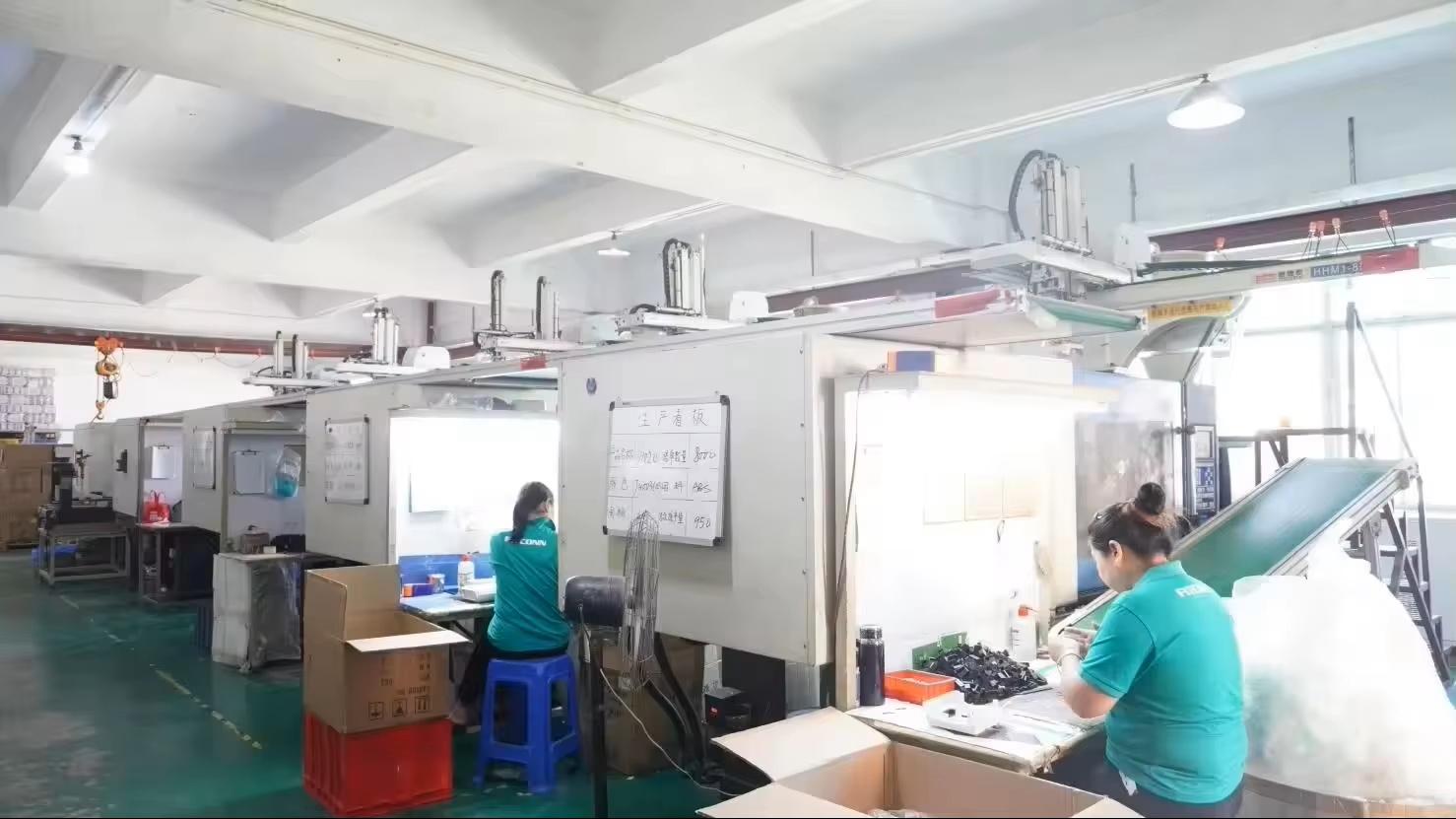
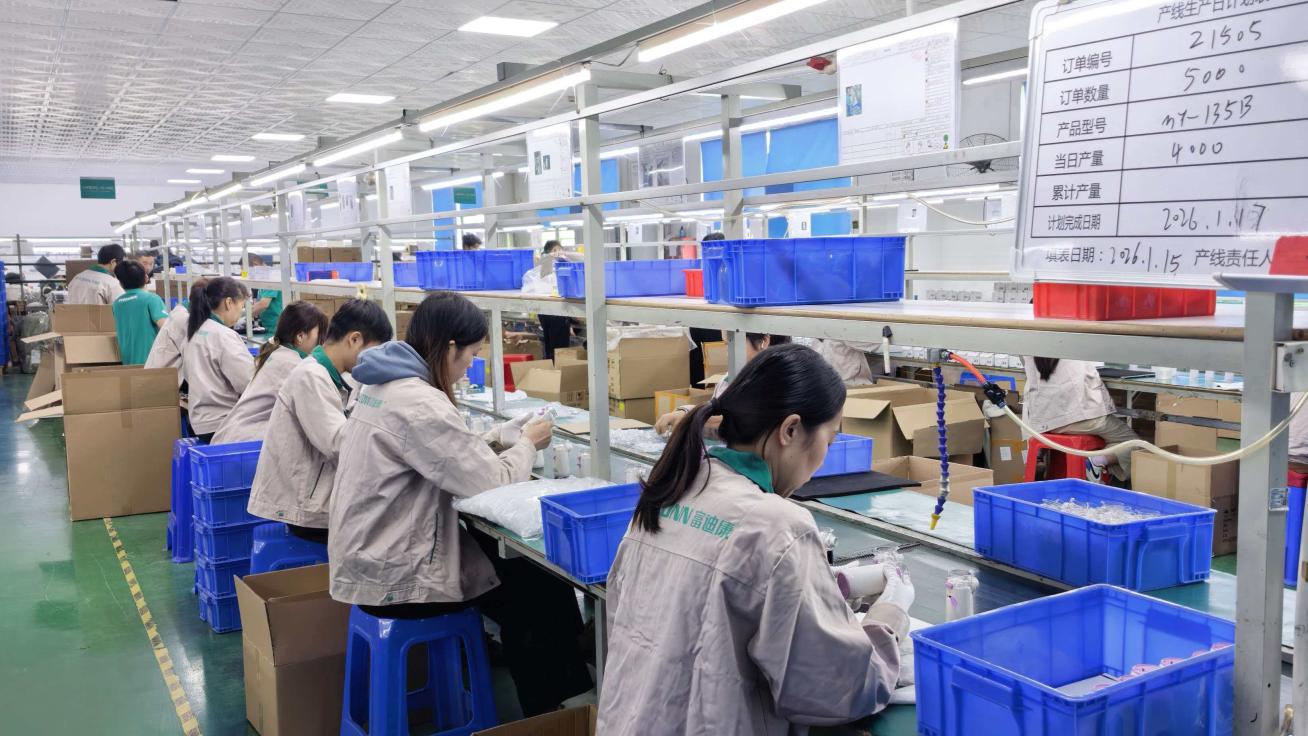
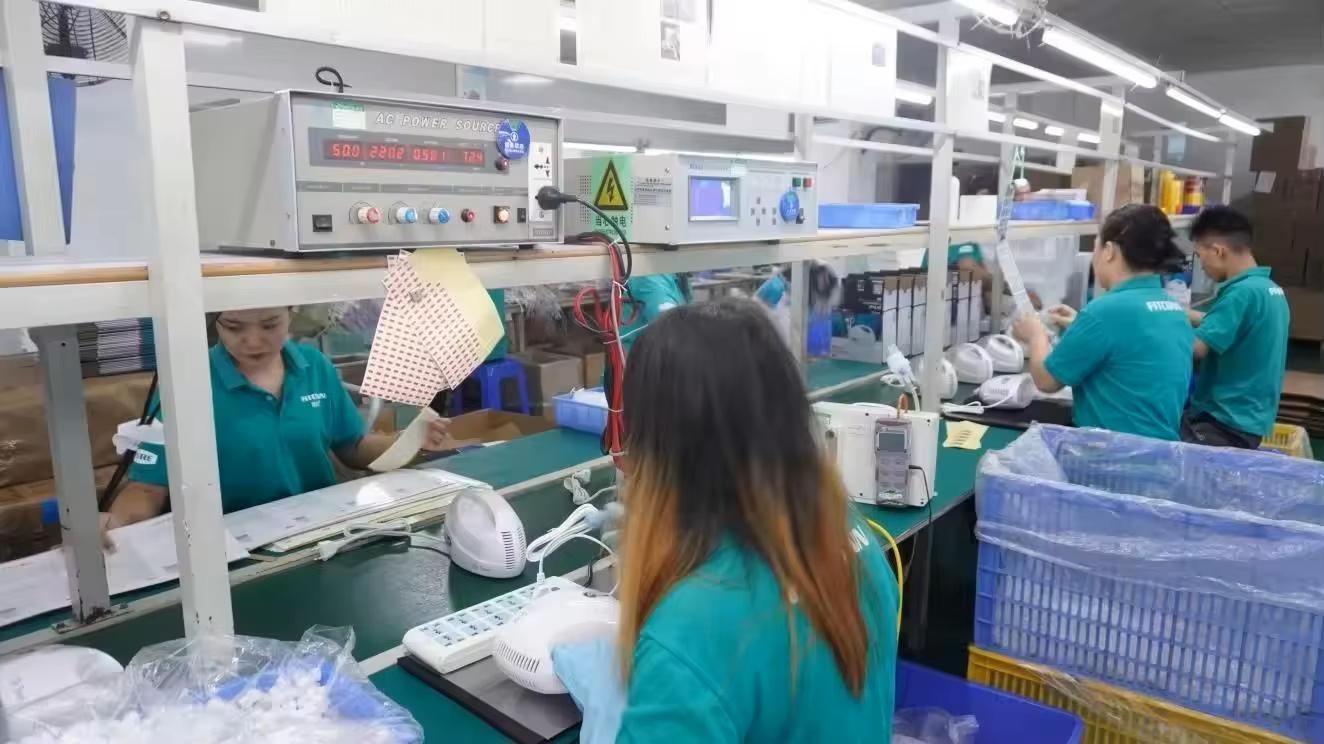
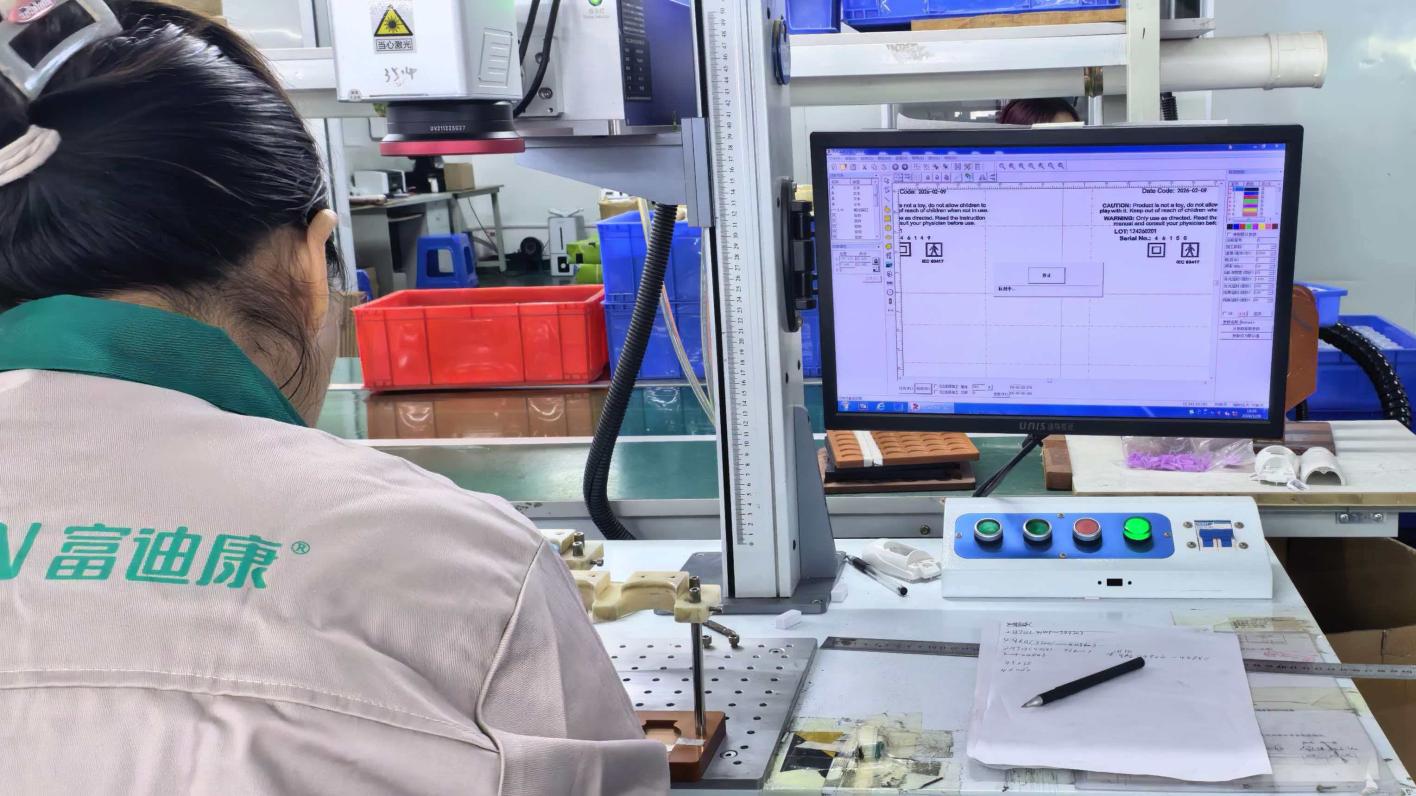
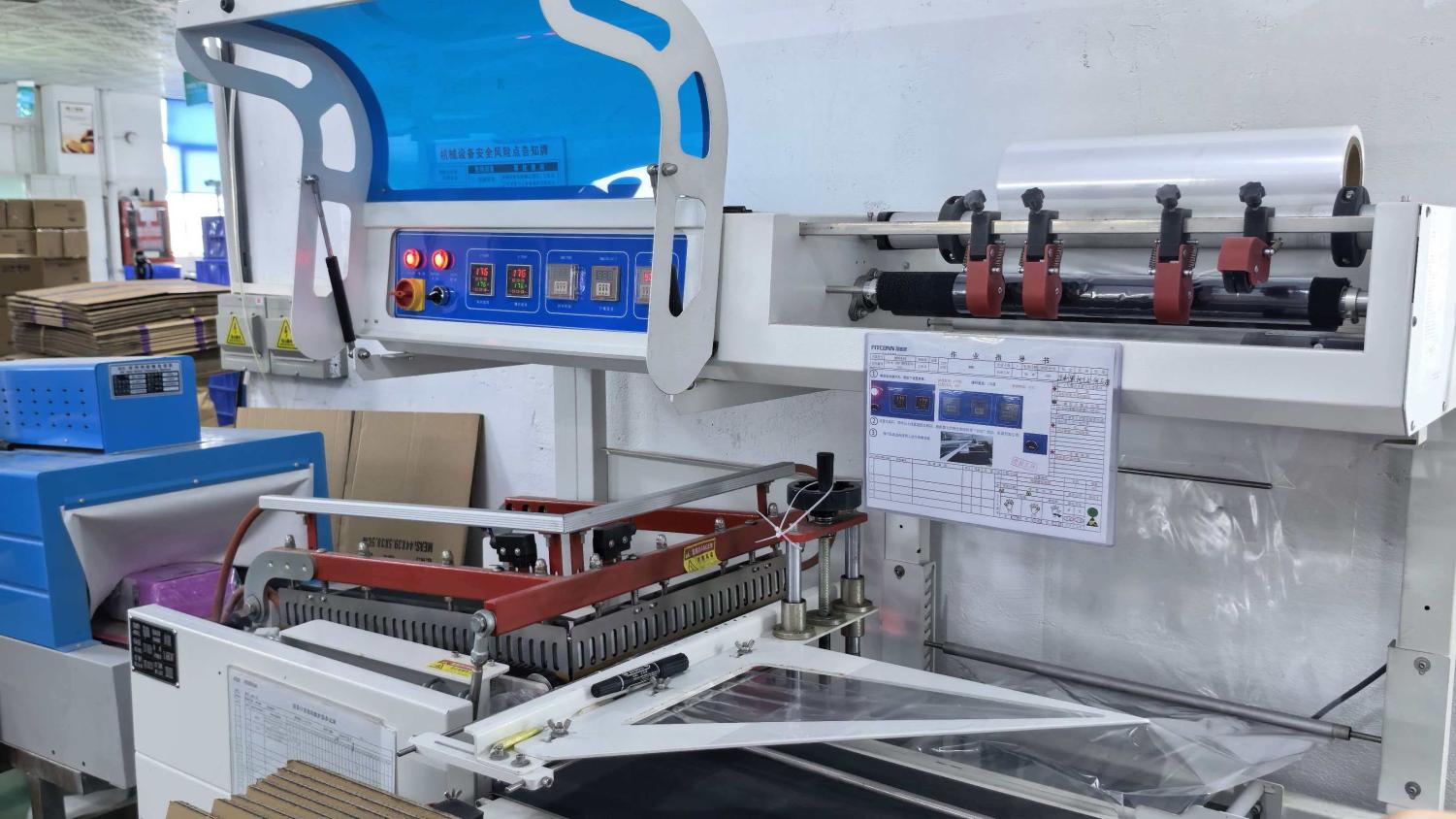
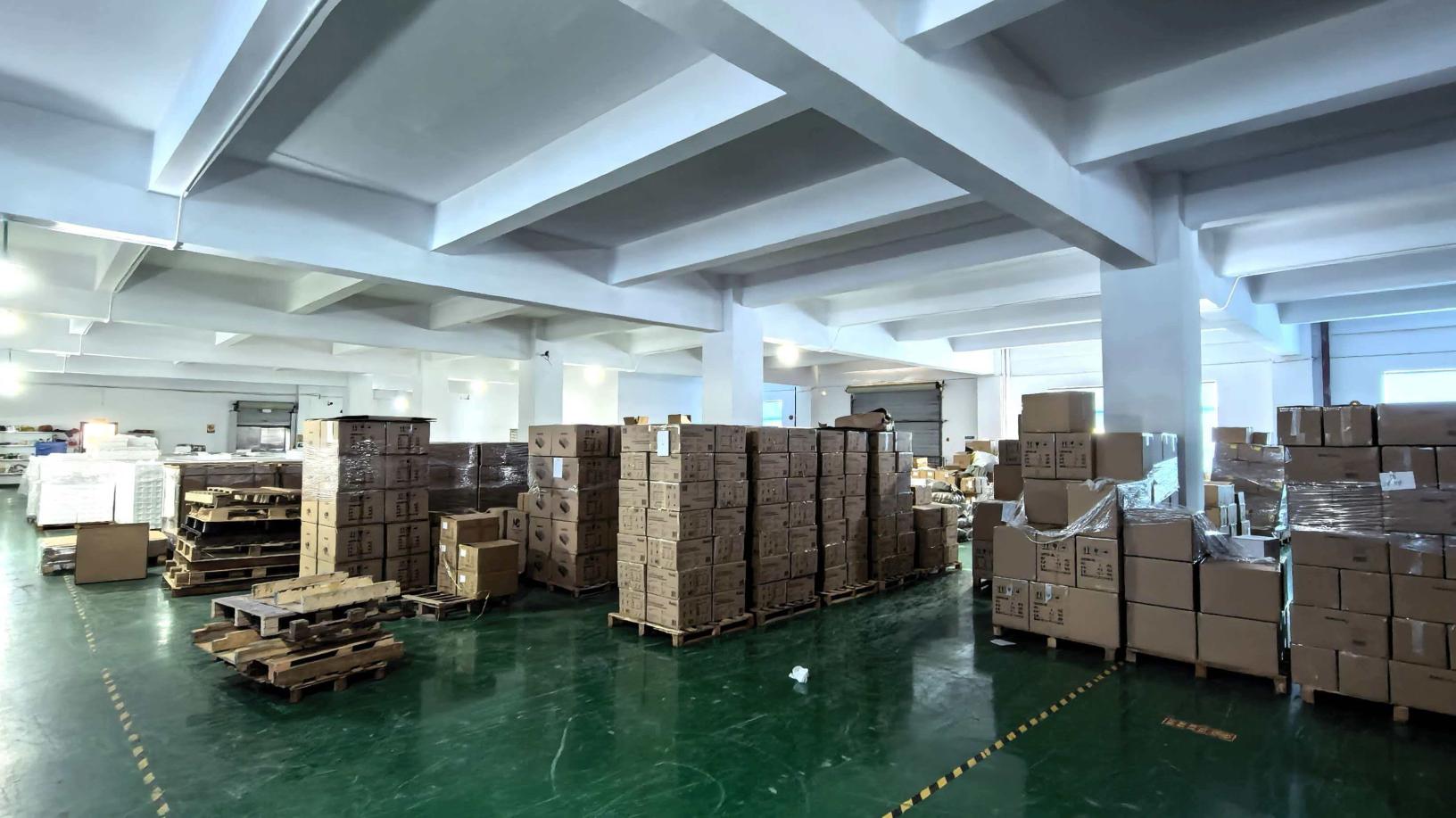
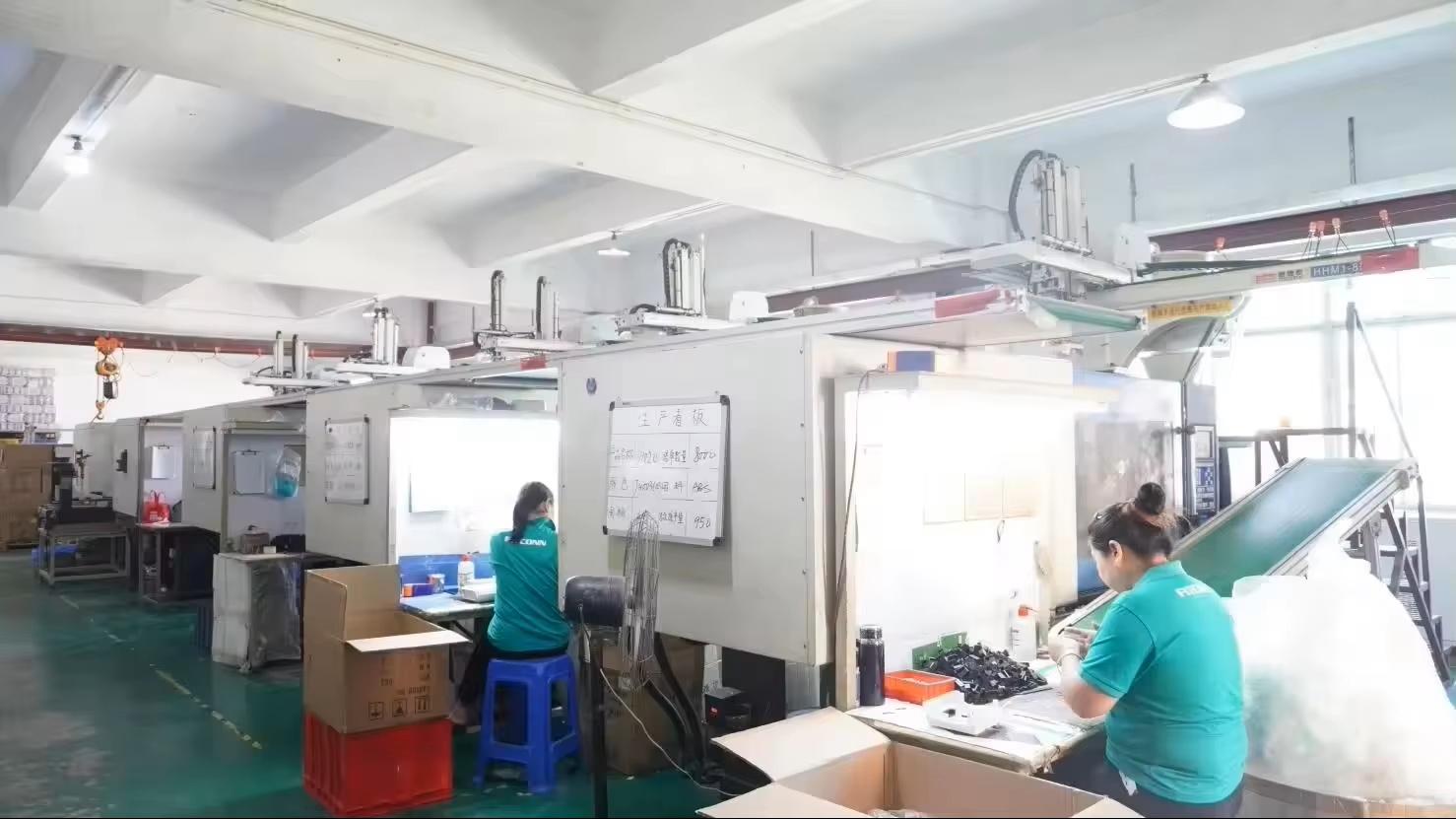
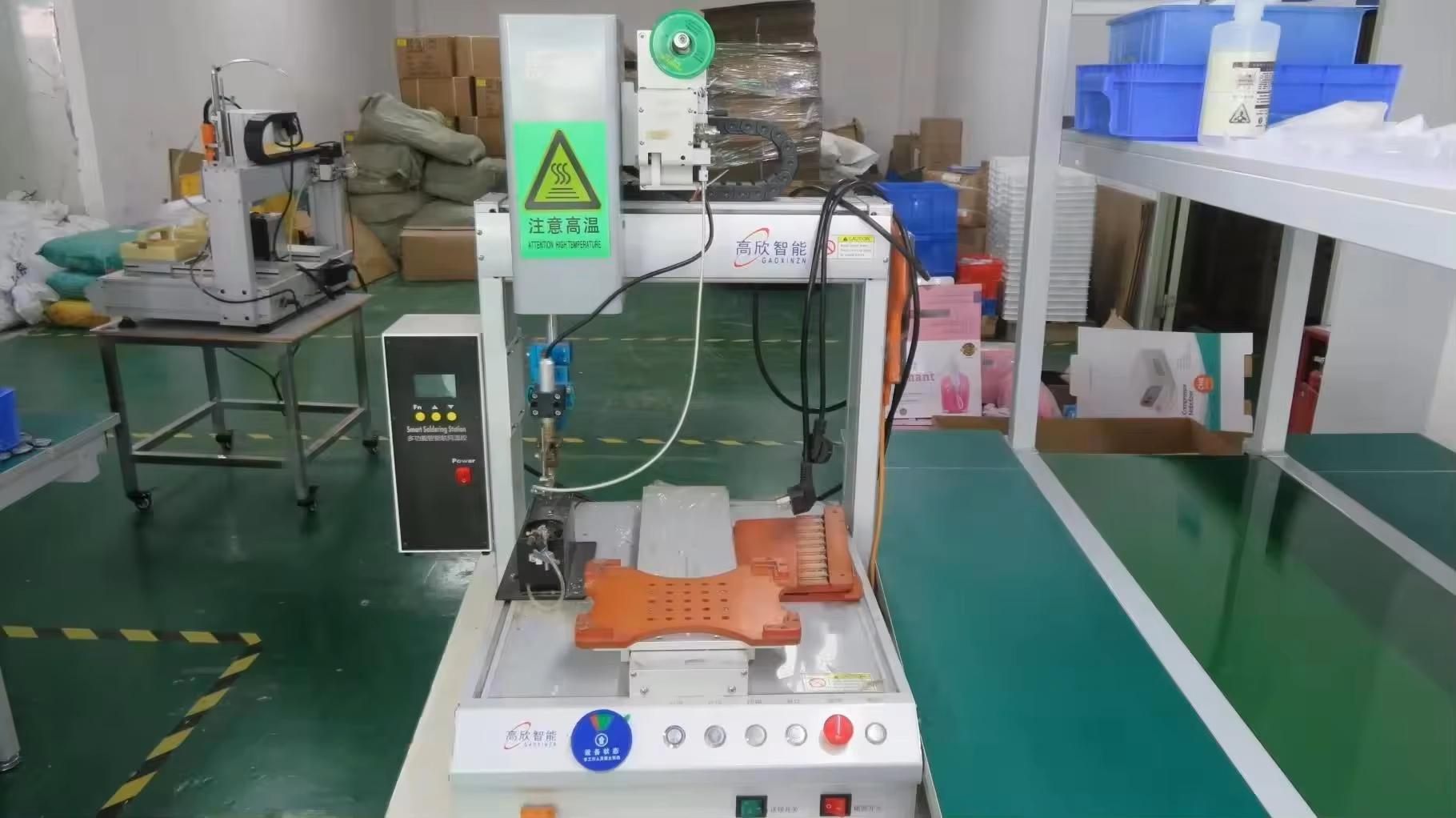
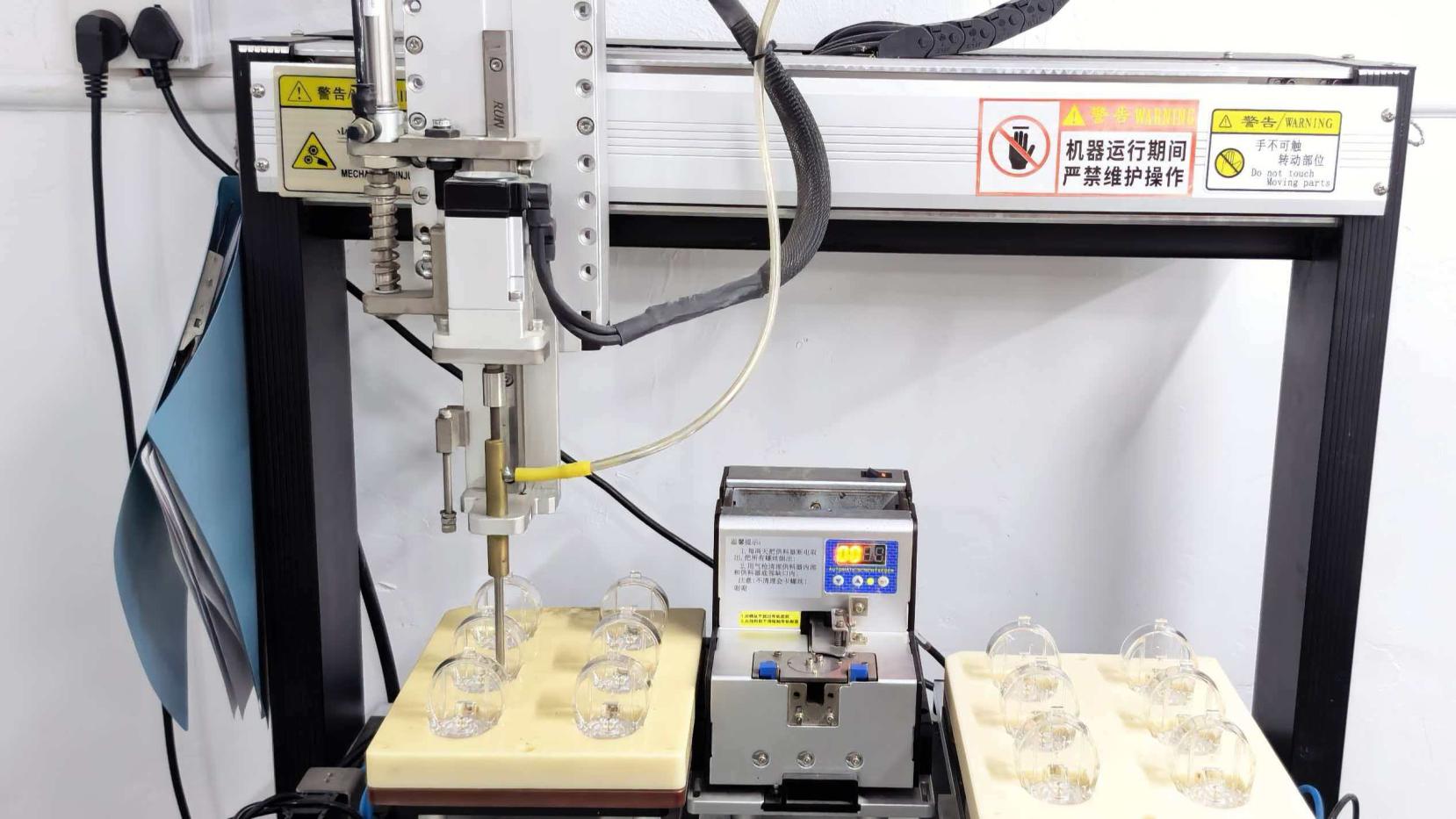
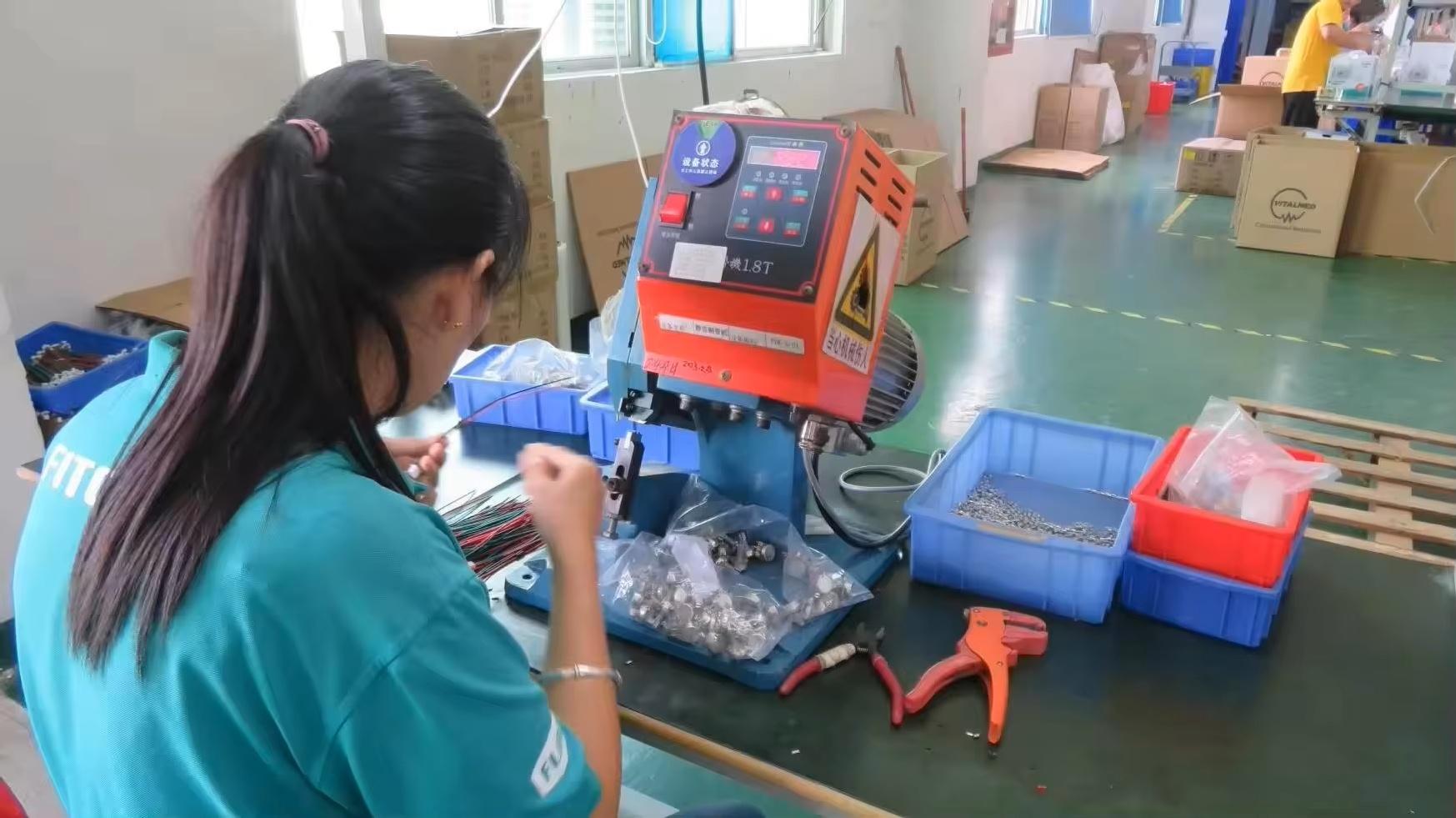
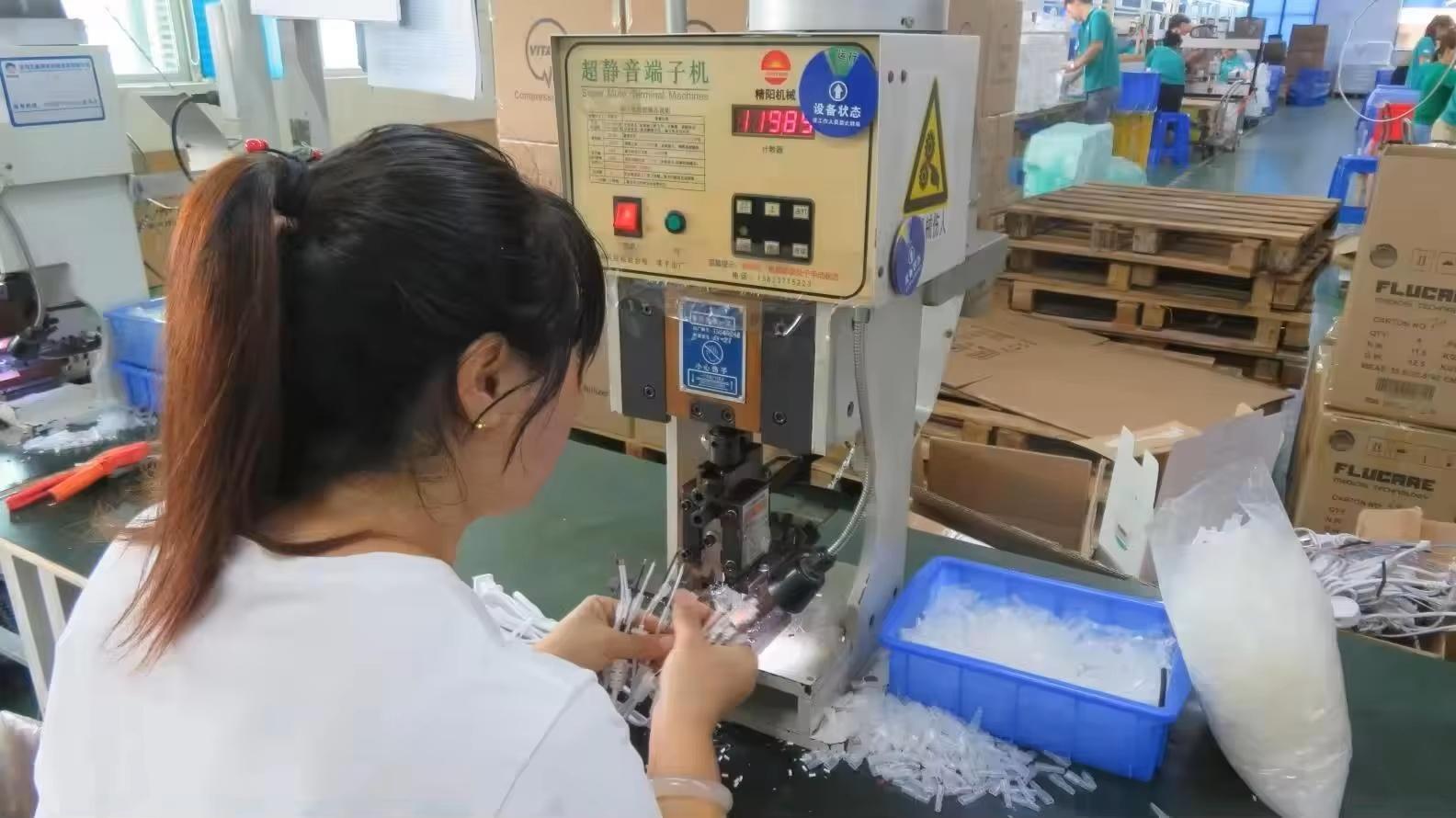
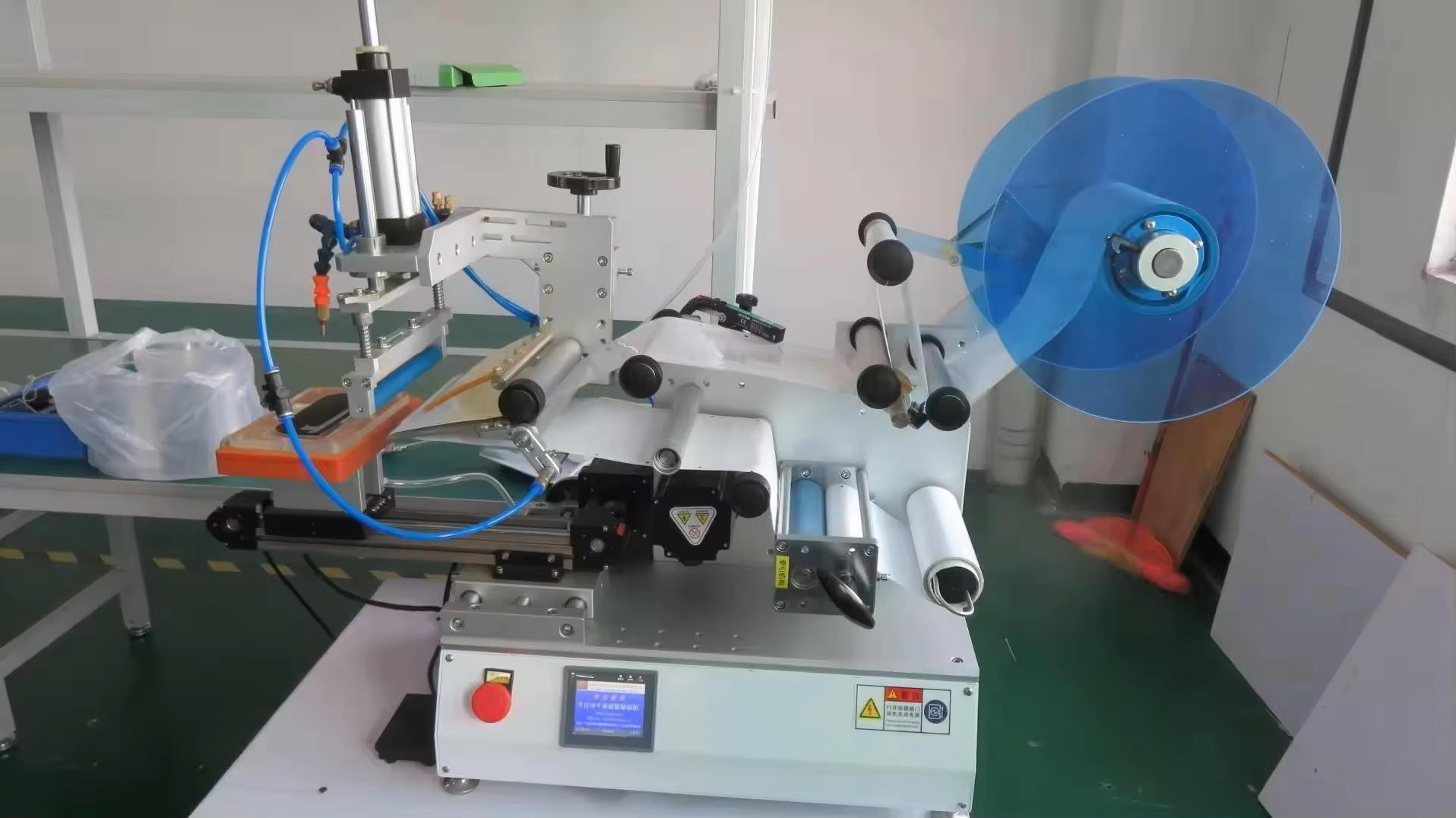
Guangdong Blvck Vape Co., Ltd. — Setting the standard for automated manufacturing and quality control.
Guangdong Blvck Vape Co., Ltd. is a leading manufacturer specializing in the research, development, production, and global supply of high-quality electronic cigarettes and vaping devices. Based in Guangdong, China, we leverage advanced manufacturing capabilities and innovative technology to provide reliable vaping solutions for customers worldwide.
As a professional OEM & ODM manufacturer, we are committed to delivering premium disposable vapes, pod systems, vape kits, and customized vaping products that combine cutting-edge technology, stylish design, outstanding performance, and strict quality standards. Our experienced engineering and R&D teams continuously develop new products and improve existing models to meet the ever-changing demands of the global vaping market.
Quality is at the core of everything we do. Every product is manufactured using high-quality materials and premium components under rigorous quality control procedures. From product design and engineering to production, testing, and packaging, every stage is carefully managed to ensure consistency, safety, reliability, and customer satisfaction.
Innovation drives our growth. Every month, our R&D team introduces new designs, enhanced features, and upgraded technologies to improve flavor delivery, battery performance, user convenience, and overall vaping experience. We are dedicated to helping our partners stay ahead in a highly competitive market.
Navigating localized registration procedures, testing demands, and safety certifications.
| Regulatory Body / Region | Primary Requirement | Documentation Standards | Manufacturer Implementation |
|---|---|---|---|
| US FDA (PMTA) | Premarket Tobacco Product Application | Environmental assessments, chemical profile stability, toxicology profiles | Complete stability reports, automated production line audits, ingredient pedigree tracing |
| EU TPD (Article 20) | Tobacco Products Directive | Maximum 2ml pod capacity, 20mg/ml limit, emission profiling | Specific 2ml pod formulations, toxicological profile testing, EU common portal submissions |
| MHRA (UK) | Medicines and Healthcare products Regulatory Agency | Yellow Card reporting integration, safety testing, emission metrics | Toxicology profiles and cleanroom validation verification for wholesale e-liquids |
| GB 41700-2022 (China) | National E-Cigarette Standard | Strict additive exclusions, device-formulation binding, non-flavor profiles | Licensed production facilities, compliant formulations, automated testing metrics |
Analyzing strategic sourcing matrices to mitigate supply risk and ensure consistent quality.
For multinational distributors and high-volume brands, selecting an OEM/ODM partner is a multi-layered evaluation process. Sourcing teams should look beyond unit cost to analyze the following core vectors:
Technical and commercial clarifications for enterprise-level sourcing.
Freebase nicotine has a higher pH level (~8.0), making it throat-harsh at higher concentrations. Salt nicotine combines nicotine with organic acids (such as benzoic or salicylic acid) to lower the pH (~5.0 to 6.0), optimizing bioavailability and allowing for a smoother draw at higher concentrations.
Manufacturing in an ISO Class 7 or 8 (100,000 to 10,000 class cleanroom) ensures that dust, microbes, and metal residues are filtered out. This reduces contamination-related degradation, resulting in a cleaner flavor profile and an extended shelf life of up to 2 years.
Typically, flavor profiling and compounding prototyping take 7 to 14 days. Once approved, regulatory stability testing, safety assessments, and packaging production take 3 to 4 weeks. High-capacity manufacturing lines run at scale in 15 to 20 days.
Experienced factories provide full technical dossiers (containing device emissions data, toxicology profiles, and chemical testing reports) to support the distributor's submittals, or manage the local regulatory agency submissions directly.
 Blvck Vape