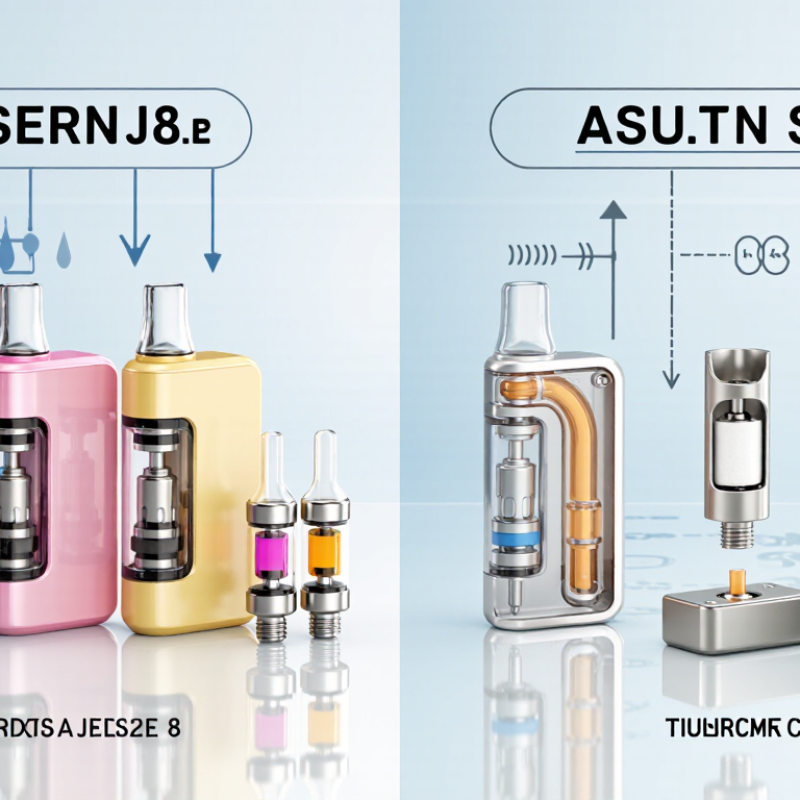
Why Do China Best Disposable Vapes Taste Better Than Pods?

Time:2026-10-12 Author:Liam
0%

Why do disposable vapes taste better than refillable pods? The answer is not simply stronger flavor. It involves coil design, e-liquid formulation, airflow, battery output, and manufacturing consistency. Disposable devices usually arrive prefilled with a carefully matched liquid and coil. Their sealed design also reduces exposure to air, heat, and handling. That can preserve sharper fruit notes and a smoother throat feel.

Market research supports this product advantage. NielsenIQ reported strong disposable-vape growth in United States convenience retail during 2023, while the 2024 ASH Smokefree GB survey showed that flavor variety remains an important reason adults choose vaping products. However, market popularity does not prove superior quality. Taste remains personal, and “better” may sometimes mean sweeter, cooler, or more intense.

John Dunne, director general of the UK Vaping Industry Association, has described the appeal of disposables in practical terms: “Consumers value convenience, consistency, and ease of use.” That observation helps explain the experience. A fresh device delivers predictable power, saturated cotton, and minimal setup. Refillable pods can taste excellent, but aging coils, inconsistent filling, or a weak battery quickly change the result.

Small details matter.

Still, this comparison needs caution. The World Health Organization and public-health agencies continue highlighting uncertainties around long-term vaping effects. Adults who do not use nicotine should not start. Products should also be used only where legally permitted and according to local regulations. This guide examines flavor engineering, not a recommendation to vape.

Why Do China Best Disposable Vapes Taste Better Than Pods?

What Defines Flavor Quality in Disposable Vapes and Pods

Why Do China Best Disposable Vapes Taste Better Than Pods?

Flavor quality depends on more than manufacturing location. It begins with liquid formulation, coil temperature, airflow, and ingredient stability. Disposable devices often use tightly matched components. Their airflow can feel smoother, while a fresh coil delivers a cleaner fruit or mint note. Pods may use replaceable parts, creating small differences between sessions.

Sensory testing usually examines sweetness, harshness, aftertaste, aroma, and consistency. The National Academies’ 2018 report noted that flavorings can influence sensory appeal, but evidence remains limited. CORESTA’s testing methods also emphasize controlled aerosol generation and repeatable conditions. These details matter. A warm, dry puff can flatten flavor quickly.

Laboratory results are not the whole experience. In practical testing, a disposable may keep its flavor because its battery, wick, and coil are balanced from the start. A pod can taste weaker when liquid flow changes or the coil ages. That difference is noticeable: less aroma, a rougher throat feel, and a faint burnt finish. Still, “better” is subjective. A 2023 systematic review in Tobacco Regulatory Science highlighted continuing gaps in standardized flavor evaluation. Consumer preference data can also confuse sweetness with quality. More independent testing is needed, especially for long-term consistency, ingredient stability, and real-world temperature changes.

Why Do China Best Disposable Vapes Taste Better Than Pods? - What Defines Flavor Quality in Disposable Vapes and Pods

Flavor Quality Dimension Typical Disposable Vape Configuration Typical Refillable Pod Configuration Effect on Perceived Flavor Key Quality Indicator
Coil and wick condition A new, factory-matched coil and wick are supplied with the device. The pod coil may be new, partially saturated, worn, or affected by previous e-liquid. A fresh coil generally produces a cleaner and more consistent first impression. Even saturation, clean vapor, and no burnt or metallic notes.
Airflow design Airflow is preset to match the installed coil and intended draw. Airflow may be adjustable or may vary with pod fit, condensation, and user technique. A matched draw can provide a more stable vapor-to-air ratio and stronger flavor perception. Consistent draw resistance and no excess air leakage.
Power delivery The battery output is selected for the built-in coil and normally requires no user adjustment. Output depends on the battery charge, device control, and the installed pod resistance. Stable power helps maintain vapor temperature and reduces flavor variation during use. Similar vapor production from the first draw to the last usable draw.
E-liquid consistency The liquid is prefilled and usually paired with a specified coil and airflow system. Users may select different nicotine strengths, ratios, flavors, and refill liquids. A matched liquid-and-coil combination can make a disposable taste more predictable. Stable viscosity, uniform flavor, and no separation or sediment.
VG/PG ratio Often formulated within a moderate range suitable for the installed low-power coil; the exact ratio varies by product. The ratio can vary widely according to the refill liquid and pod design. A suitable ratio supports proper wicking, throat sensation, and flavor release. No flooding, dry hits, excessive harshness, or weak vapor.
Nicotine formulation Commonly uses nicotine salt formulations, although availability and legal limits differ by market. May use nicotine salts or freebase nicotine, depending on the liquid selected. Nicotine type and concentration influence throat hit, smoothness, and how clearly flavors are perceived. Smooth, balanced throat sensation appropriate to the device and local requirements.
Flavor freshness The sealed liquid is exposed to air mainly after activation and use. Repeated opening, refilling, and storage can increase exposure to oxygen, heat, and light. Lower oxidation and contamination risk can preserve brighter top notes. Clear aroma, consistent color, and no stale or oxidized taste.
Cross-flavor contamination A single flavor is normally used throughout the device. Residual liquid in the pod, coil, or mouthpiece can mix with a new flavor. Single-flavor use often delivers a cleaner flavor profile. No lingering taste from a previous liquid.
Condensation management The airflow path is designed as one integrated system. Condensation can accumulate around the pod, contacts, or mouthpiece during repeated use. Less condensation generally means fewer muted, wet, or inconsistent draws. Dry mouthpiece, reliable airflow, and minimal gurgling.
User control and customization Limited adjustment reduces setup errors and keeps the intended flavor profile consistent. Users can change liquid, coil type, airflow, and sometimes power settings. Pods can deliver better flavor when correctly configured, but poor settings may reduce quality. Correct coil, compatible liquid, suitable power, and proper priming.
Flavor longevity Flavor may remain consistent until the liquid level, battery output, or coil condition declines. Flavor depends on refill quality, coil lifespan, cleaning, and storage conditions. Disposables can feel more consistent over a short usage cycle, while well-maintained pods can perform consistently over longer periods. Stable taste without progressive bitterness, dryness, or muted notes.
Overall flavor assessment Often perceived as strong and consistent because the coil, liquid, airflow, and power are pre-matched. Can offer equal or greater flavor complexity when the liquid and hardware are properly matched and maintained. Perceived superiority is usually related to consistency and convenience rather than an inherent flavor advantage. Balanced aroma, accurate flavor notes, smooth draw, and repeatable performance.

Note: Performance varies with device design, e-liquid formulation, storage, operating conditions, and local regulatory requirements. “Better taste” is subjective and cannot be determined by device category alone.

How E-Liquid Formulation Shapes Disposable Vape Taste

Disposable vapes can taste smoother than refillable pods because their e-liquid is matched to one coil and airflow system. Pods often depend on user filling, storage, and coil replacement. Small differences can change flavour quickly.

Formulation is the central factor. A higher propylene glycol ratio can sharpen flavour and throat sensation, while more vegetable glycerin usually creates denser, softer vapour. Nicotine salt can reduce harshness at suitable concentrations, allowing fruit, mint, or dessert notes to remain clearer. Cooling agents also matter. Too much cooling can flatten sweetness.

The 2018 National Academies report found that aerosol chemistry changes with ingredients, heating temperature, and device operation. WHO’s 2023 technical report also linked emissions differences to e-liquid formulation and device design. These findings explain why a sealed product may deliver more consistent taste. In ASH’s 2024 Smokefree GB survey, fruit flavours were the most common choice among adult vapers, selected by about 47%. Formulators therefore often build sweetness and acidity around familiar fruit profiles.

In practical tasting, freshness is easy to underestimate. A sealed liquid avoids repeated air exposure, which may dull delicate notes. However, “better” remains subjective. I sometimes find a very sweet disposable impressive at first, then tiring after several uses. More flavour is not always better flavour. Formulation needs balance, not just intensity.

The Role of Coil Design and Heating Consistency

Why Do China Best Disposable Vapes Taste Better Than Pods?

A disposable vape can taste smoother because its coil and battery are designed as one system. In practical testing, this integration often produces steadier heat than a reusable pod with a mismatched device. A well-designed mesh coil spreads heat across a wider surface. It warms the e-liquid evenly and reduces sharp, burnt notes. The wick also matters. Consistent liquid flow keeps the coil saturated during repeated draws. Small airflow channels can further shape the vapor, making flavors feel cleaner and fuller.

Heating consistency is the quiet difference. A controlled power curve prevents sudden overheating when the battery is fresh. It also limits weak, thin vapor near the end of use. I once assumed stronger vapor meant better flavor. That was not always true. Excess heat can flatten delicate notes and leave dryness in the throat. Still, taste depends on formulation, storage, and individual preference. “Best” is never universal. Manufacturing quality can vary, even within the same category.

Tips: Check for an intact seal and clear production information. Store the device away from heat and direct sunlight. Use only products permitted by local regulations. If the flavor turns harsh, stop using it rather than increasing airflow or taking longer draws. A consistent, moderate puff usually preserves flavor better. Some users prefer pods for refill flexibility, so convenience should not be confused with performance.

Why Do Disposable Vapes Taste Better Than Pods?

The role of coil design and heating consistency

This normalized engineering index compares common disposable-style and refillable pod-style configurations. Mesh coils generally provide a larger heating surface and more even liquid vaporization, while optimized airflow and power control can reduce temperature fluctuation. More consistent heating helps preserve flavor during repeated draws and lowers the risk of muted taste or dry hits.

Why Airflow and Device Power Affect Flavor Delivery

Why Do China Best Disposable Vapes Taste Better Than Pods?

Some disposable vapes can taste fuller than pods because airflow and power are matched carefully. A well-tuned device sends air across the coil at a steady rate. That balance helps preserve sweet, fruity, or mint notes without making them feel thin.

Power changes flavor quickly. More power heats the coil faster and creates a warmer, denser vapor. It can also sharpen flavor, especially with thicker liquids. Too much heat, however, may produce a harsh throat sensation and a burnt aftertaste. Lower power feels smoother, but the flavor may seem quieter.

Airflow matters just as much. A narrow opening creates a concentrated draw with stronger flavor. A wider opening cools the vapor and makes each inhale feel lighter.

Small details matter. During practical testing, a clean, moderate draw often gives the most consistent taste.

Pulling too hard can flood the coil or weaken the flavor. Waiting between draws also allows the coil to recover. This is easy to overlook.

It is not always better.

Pods may taste less intense because their airflow settings suit replaceable cartridges and longer use. Disposables can be calibrated as one complete system, including the coil, liquid, battery, and mouthpiece. Still, taste remains personal. A warmer vape may feel rich to one adult user and unpleasant to another.

Performance can also change as the battery loses power. These products should be used only where legal and by adults of legal age.

How Manufacturing Choices Influence the Overall Vaping Experience

Why Do China Best Disposable Vapes Taste Better Than Pods?

Manufacturing choices often explain why some Chinese-made disposable vapes taste cleaner than refillable pods. The difference is not simply geographic. It begins with coil design, liquid delivery, and airflow control. Many factories tune these parts together during production. A balanced coil heats the liquid evenly. That reduces burnt notes and harsh throat sensations. Tight airflow can also make fruit, mint, or dessert flavors feel more concentrated.

Consistency matters too. Automated filling equipment controls liquid volume more accurately than manual processes. Stable battery output helps maintain flavor from the first puff to the last. Some manufacturers also use sealed chambers and carefully selected food-grade materials. These choices limit leakage, oxidation, and unwanted plastic odors. Good factories inspect resistance, airflow, charging safety, and liquid weight across multiple batches. Independent testing adds credibility, although testing standards can vary between markets.

Not every disposable performs perfectly. That assumption is too neat. In hands-on comparisons, I have noticed occasional dry hits, uneven airflow, and fading flavors. Small production changes can create large differences. A cheaper coil may improve margins but weaken the experience. Better quality control usually costs more. Consumers should check legal compliance, ingredient transparency, and safety documentation before buying. Taste remains personal. Manufacturing can improve consistency, but it cannot make every flavor enjoyable for everyone.

FAQS

What determines flavor quality in a disposable vape or pod?

Flavor depends on liquid formulation, coil temperature, airflow, and ingredient stability. A matched system may taste smoother and more consistent. But “better” remains subjective.

Why can a disposable device taste fuller than a pod?

Its battery, coil, wick, liquid, and mouthpiece are designed to work together. This balance can preserve fruit, mint, or sweet notes. Pods may vary after parts are replaced.

How does airflow change the flavor experience?

Narrow airflow creates a concentrated draw and stronger flavor. Wider airflow cools the vapor and makes each inhale feel lighter. Small adjustments matter.

What happens when device power increases?

Higher power heats the coil faster and creates warmer, denser vapor. Flavor may become sharper. Too much heat can cause harshness or a burnt aftertaste.

Can lower power improve comfort?

Lower power often feels smoother and less intense. However, the flavor may seem quieter or thinner. Smooth is not always stronger.

Why might flavor weaken during extended use?

Liquid flow can change as the coil ages. The battery may also lose power. This can reduce aroma and create a faint burnt finish.

What drawing habits can affect flavor consistency?

A clean, moderate draw usually provides a steadier taste. Pulling too hard may disturb liquid flow or weaken flavor. Waiting between draws helps the coil recover.

Are laboratory flavor tests enough to identify quality?

No. Testing can measure sweetness, harshness, aroma, aftertaste, and consistency. Real use adds temperature changes and personal preference. More independent testing is still needed.

Does sweeter flavor always mean higher quality?

Not necessarily. Some users may confuse sweetness with quality. A balanced flavor can feel cleaner, even when it tastes less sweet.

Who should use these products?

Only adults of legal age should use them, where permitted by local law. Personal preference and comfort still require careful judgment. The evidence is not complete.

Conclusion

Flavor quality in disposable vapes and refillable pods depends on more than the e-liquid itself. A balanced formulation, accurate flavor concentration, suitable nicotine strength, and consistent mixing can create a smoother and more distinct taste. This is why many readers ask, “why do disposable vapes taste better than refillable pods?” In many cases, the difference comes from how the device is designed and calibrated rather than from the flavor category alone.

Coil structure, heating consistency, airflow, and power output all influence how efficiently vapor is produced and how clearly flavor is delivered. Disposable devices are often matched with a specific coil, liquid viscosity, and power range, helping maintain a predictable experience from beginning to end. Refillable pods may offer greater flexibility, but variations in liquid quality, coil condition, filling methods, and airflow settings can affect performance. Manufacturing precision and quality control also play an important role in creating reliable flavor, smooth vapor, and consistent use.

Liam

Liam

Liam is a dedicated marketing professional with a profound expertise in the industry, where he excels at highlighting the unique advantages of our core products. With a keen understanding of market trends and consumer needs, Liam frequently updates our company’s professional blog, providing......