A disposable vape can look normal after a short fall, yet its internal parts may not be fine. The mouthpiece might loosen. The battery contact may shift. A tiny crack can interrupt power, airflow, or charging protection. That is why many readers ask, “why did my disposable vape stop working after a drop?”
Dr. Paul Shearing, a lithium-ion battery safety researcher, often stresses, “Safety is absolutely paramount when dealing with lithium-ion batteries.” His point matters here. A disposable vape contains a compact lithium-ion cell, electrical contacts, and a pressure-sensitive airflow sensor. A hard impact can damage one of these parts without leaving obvious marks. The device may stop producing vapor, blink unexpectedly, or feel warm near the base. It may also taste burnt after the fall. That does not prove one single cause.
This guide examines the likely reasons and the safest response. We will cover shifted contacts, blocked airflow, broken internal wiring, and battery damage. We will also distinguish a harmless temporary fault from a serious warning sign. Do not keep testing a device that is swollen, leaking, cracked, hot, hissing, or giving off a chemical smell. Do not open it or force a repair. Place it away from heat and flammable materials, then follow local battery-disposal guidance. A drop does not always ruin a vape. Still, guessing can create unnecessary risk. When the evidence is unclear, replacement is usually wiser than recovery.
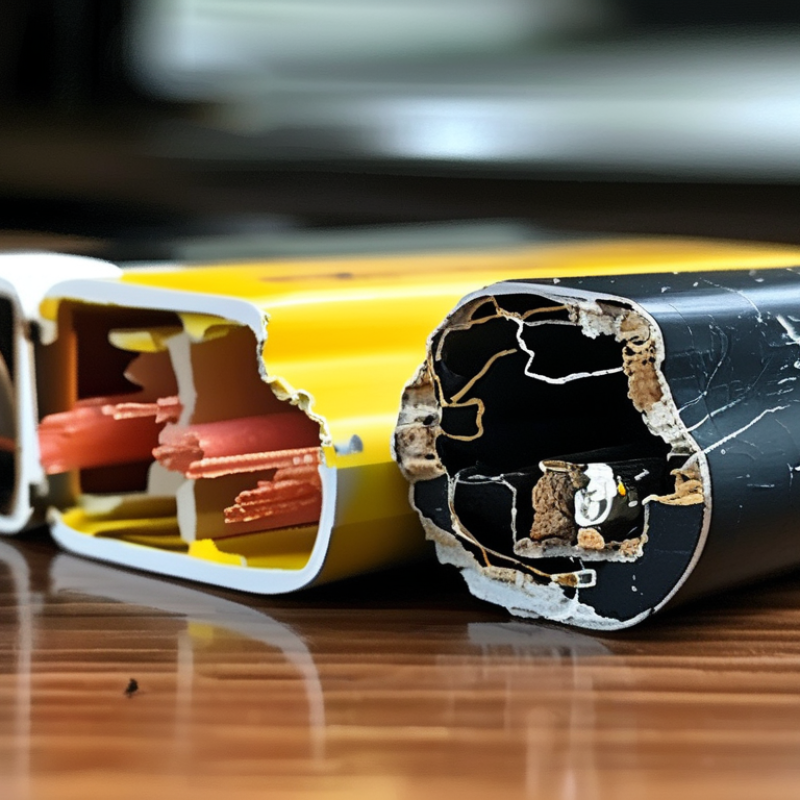
A disposable vape may stop working because a drop disrupts its small internal components. The impact can loosen a battery contact, damage the airflow sensor, or shift the heating coil. A cracked mouthpiece may also block airflow. Even a short fall can create problems.
Check the device under good lighting. Look for splits, dents, leaking liquid, a loose mouthpiece, or unusual warmth. Do not shake it, puncture it, open the casing, or keep using it if liquid reaches your skin. Stop immediately. A device can look normal while its internal battery connection is damaged. That is the part people often miss.
If there is no visible damage, a blocked sensor might explain the failure. However, repeated tapping or forceful pulling may worsen the problem. Do not connect it to a charger unless it was specifically designed for charging and shows no damage. A damaged lithium battery can overheat unexpectedly. If the vape remains inactive, leaks, smells unusual, or becomes hot, place it away from flammable materials and follow local battery or electronic-waste disposal guidance. Guessing is not worth it.
A disposable vape may stop working because the impact shifted an internal connection. The outer shell can look intact while the battery or sensor has moved. Common signs include no light, weak airflow, delayed activation, or a completely dead response. A loose mouthpiece, rattling sound, cracked casing, or visible liquid also suggests impact-related failure. Do not ignore unusual heat, swelling, hissing, or automatic activation. These symptoms may indicate battery damage, not a simple blockage.
In practical inspections, the most misleading sign is often a normal-looking device that suddenly tastes burnt. The coil may have shifted, or liquid may no longer reach it correctly. I once assumed a weak draw meant debris, but the real issue was a damaged airflow sensor. That mistake matters. Repeatedly pulling harder can worsen leakage or trigger overheating. Never open the device, squeeze it, pierce it, or attempt an improvised repair.
Tips: Place the damaged vape on a nonflammable surface away from heat and metal objects. Stop using it if the casing is cracked, wet, hot, or swollen. Do not put it in household trash or leave it charging unattended. Follow local battery and electronic-waste disposal guidance. If liquid touches your skin, wash the area with soap and water. Seek professional help if the device becomes hot, smokes, or releases a strong chemical smell.
Why Did My Disposable Vape Stop Working After a Drop?
A fall can shift the mouthpiece, block airflow, or disturb an internal contact. Do not open the device. Inspect the casing under bright light. Look for cracks, swelling, gaps, or liquid around the base. Check the mouthpiece for debris. A bent airflow opening can prevent activation.
Press the activation area gently, if the device has one. Watch for the indicator light. No light may suggest impact damage or a depleted cell. A flashing light can indicate airflow trouble, low power, or a protection lockout. Do not shake, squeeze, puncture, or force the casing. Stop immediately if it feels hot, smells unusual, leaks, hisses, or activates by itself. The U.S. Fire Administration documented 195 vape-related fire and explosion incidents from 2009 to 2016. The Consumer Product Safety Commission also reported about 25,000 lithium-ion battery fires across products from 2017 to 2021. Those figures do not prove every dropped device is dangerous, but they support cautious handling.
Tips: Place the device on a nonflammable surface for several minutes. Keep it away from pockets, bedding, and metal objects. Do not attempt charging unless the product clearly supports it. A visual check has limits. If damage is uncertain, use local hazardous-waste guidance for disposal. My practical mistake would be trusting a working light too quickly; electronics can appear normal after hidden damage.
A drop can damage the airflow sensor, LED connection, internal battery contacts, or circuit board even when the casing looks intact. The chart shows the estimated impact energy for a 20 g device dropped from common heights, calculated using E = m × g × h.
Without opening the device, check the mouthpiece for blockage, inspect the casing for cracks or swelling, try a gentle draw without covering the airflow holes, and observe whether the indicator light responds. Do not puncture, squeeze, recharge, or use the device if it is hot, leaking, swollen, or visibly damaged.
A disposable vape may stop working after a drop because several small parts can shift inside. The battery may disconnect from the heating circuit. It can also develop internal damage that prevents safe power delivery.
A damaged battery may feel unusually warm, swell, leak, or produce a sharp chemical smell. Stop using it if any of these signs appear.
The airflow sensor is another common failure point. This sensor detects your inhale and activates the heater. A hard impact can loosen it or block its tiny opening. The device may then produce no vapor, even when the battery still has power.
Airflow damage can also come from a crushed mouthpiece or debris inside the air channel. A quick restart is tempting, but that advice is incomplete. Disposable devices are not designed for opening or home repair.
Tips:
Check the mouthpiece and airflow opening under good light. Do not insert pins, tools, or liquids. Take a gentle, normal puff only if the device shows no damage. If it remains unresponsive, stop testing it. Place it somewhere cool and dry, away from metal objects and heat. Follow local guidance for battery-containing waste. Small cracks can hide serious damage.
A drop can damage more than the outer shell of a disposable vape. It may shift the battery, crack the liquid chamber, or weaken internal wiring. A device can still produce vapor while becoming unsafe.
Stop using it immediately if the casing splits, the mouthpiece bends, or liquid reaches your skin. Heat, swelling, hissing, smoke, a sharp chemical smell, or unexpected activation are serious warning signs. Do not recharge, open, squeeze, tape, or test a damaged device. Move it away from paper, bedding, vehicles, and other flammable materials without handling it repeatedly. Keep children and pets away. Contact your local household hazardous-waste or battery-recycling service for disposal guidance. Never place a damaged lithium battery product in ordinary household waste.
The U.S. Fire Administration recorded 195 electronic-cigarette fire and explosion incidents from 2009 to 2016. Its report documented 133 acute injuries, including 38 severe injuries and two deaths. Those figures do not prove every dropped device is dangerous, but they support a cautious replacement decision. A device that works “normally” after impact may still contain hidden damage. That is where judgment gets uncomfortable. I would replace a dropped unit after any visible damage, unusual taste, leaking, or performance change. The small saving is not worth monitoring a compromised battery in your pocket.
: The impact may shift its battery, sensor, wiring, or liquid chamber. The outside can look normal. Possible signs include no light, weak airflow, delayed activation, or no response.
Stop immediately if the casing cracks, the mouthpiece bends, or liquid leaks. Also stop if the device feels hot, swells, hisses, smokes, or activates unexpectedly. Do not keep testing it.
The coil may have shifted, or liquid may no longer reach it properly. A damaged airflow sensor can also change the draw. I once blamed debris. That judgment was wrong.
No. Stronger pulling may worsen leakage or trigger overheating. Weak airflow can indicate internal damage, not a simple blockage. Stop using it instead.
No. Do not open, squeeze, pierce, tape, or modify it. Do not improvise a repair. Internal battery damage can remain hidden.
Place it on a nonflammable surface away from heat and metal objects. Keep it away from paper, bedding, vehicles, children, and pets. Handle it as little as possible.
Do not recharge it after visible damage, leaking, unusual heat, or performance changes. A working device may still contain hidden battery damage. That feels inconvenient, but replacement is safer.
Follow local battery-recycling or household hazardous-waste guidance. Never place a damaged lithium-battery device in ordinary household waste. Contact local disposal services for specific instructions.
Wash the area promptly with soap and water. If the device becomes hot, smokes, or smells strongly chemical, seek professional help. Do not handle it repeatedly.
If you are wondering why did my disposable vape stop working after a drop, the impact may have damaged an internal component even if the outer casing looks fine. A fall can affect the battery connection, firing sensor, internal wiring, or airflow path, preventing the device from activating. Common signs include no light, no vapor, weak or inconsistent performance, unusual rattling, or airflow that suddenly feels blocked or excessively loose.
Before deciding what to do, inspect the device externally for cracks, dents, leaking liquid, swelling, heat, or other unusual changes. Do not open, puncture, squeeze, or attempt to repair it, as the battery and electronic parts can be hazardous when damaged. If the device shows any physical damage, becomes hot, leaks, smells unusual, or behaves unpredictably, stop using it immediately and keep it away from flammable materials. Even if it appears normal but still fails to work after a drop, replacement is generally safer than continued use.

Blvck Vape