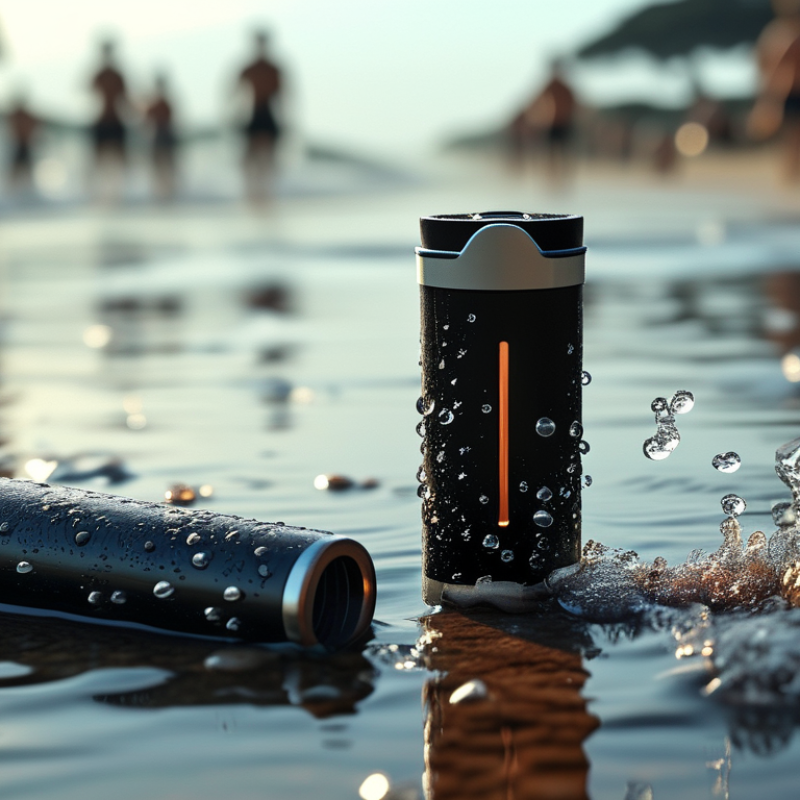
When using a disposable vape, many users may wonder what happens if a disposable vape gets wet. This concern is important, as moisture can pose a significant risk to your device. If water seeps into the vape, it can lead to potential malfunctions. The internal components, including the battery and cartridge, may suffer damage. This damage can compromise the vapor quality and the overall user experience.
In some cases, the device may stop working entirely. This is frustrating, especially when you rely on your vape for enjoyment. Users should be cautious during activities like vaping at the beach or poolside, where accidents are more likely to occur. It's essential to think about protective measures, such as using waterproof cases or bags.
Even minor exposure to moisture can bring unexpected challenges. For instance, some vapes may produce an unusual taste or emit less vapor after getting wet. Users might find themselves reconsidering their habits. Understanding what happens if a disposable vape gets wet can help prevent these issues and ensure a better vaping experience.
What is a Disposable Vape and How Does It Work?
A disposable vape is a compact device designed for temporary use. Typically, these devices contain a battery, e-liquid, and a coil. When the device is activated, the e-liquid heats up, creating vapor. According to industry reports, the global disposable vape market is projected to reach approximately $14 billion by 2025. This sharp increase indicates a growing popularity among users seeking convenience and ease of use.
The functionality of disposable vapes makes them accessible to new users. They require no maintenance or refilling, which simplifies the vaping experience. However, this convenience brings potential issues. For example, if a disposable vape gets wet, it may fail to work correctly. Water can damage the internal circuitry and battery.
Tip: Keep your vape in a dry place to ensure longevity. Avoid using it in rainy conditions or near water.
Additionally, a wet vape might lead to unwanted leaks of e-liquid, which can be a hassle to clean up. The best practice is to store your device upright and in a protective case.
Tip: If your vape gets wet, dry it immediately. Allow it to sit for a day before trying to use it. This could save you from a malfunction.
Understanding the basics of how disposable vapes work can help in maintaining them better, ensuring a smoother vaping experience.
Understanding the Components of a Disposable Vape
Disposable vapes have gained immense popularity due to their convenience and ease of use. Understanding their components is essential to grasp what happens when they are exposed to moisture. A typical disposable vape consists of a battery, an atomizer, and e-liquid. The battery provides power, while the atomizer heats the e-liquid to create vapor.
When a disposable vape gets wet, several things can occur. Water can short-circuit the battery, leading to malfunction or even leakage. Reports suggest that nearly 30% of vaping devices face operational issues when exposed to moisture. The e-liquid could also become diluted, affecting the flavor and nicotine delivery.
Additionally, the materials used in disposable vapes can be sensitive to hydration. Many devices utilize lithium batteries, which can be hazardous if damaged by water. A study shows that improper handling of vape devices can lead to nearly 40% of users experiencing issues with their devices. Users should exercise caution and keep their vapes dry to avoid unwanted consequences.
Effects of Water Exposure on Disposable Vapes
Water exposure can severely affect disposable vapes. When these devices get wet, several issues may arise. The most immediate concern is the risk of short circuits. Water can bridge electrical connections, leading to device failure. Research indicates that nearly 30% of electronic vaping devices reported malfunction after contact with moisture.
Moreover, e-liquids are sensitive to aquatic influences. If water mixes with the vape juice, the overall flavor profile may shift. Users might experience a diminished vaping experience, as the intended taste can be diluted or altered. A report by the Vapor Technology Association noted that 40% of users notice a change in taste when exposed to moisture.
The structural integrity of disposable vapes can also be compromised. The casing may weaken, making the device more fragile. If mishandled after water exposure, the risk of breakage increases. In certain cases, the nicotine content may not deliver the expected hit, leaving users disappointed. Each instance highlights the need for caution when using disposable vapes in damp environments.
Effects of Water Exposure on Disposable Vapes
Signs That Your Disposable Vape Has Been Damaged by Water
Water damage can be a significant issue for disposable vapes. If your device gets wet, certain signs will emerge. Look out for leakage. If liquid seeps from your vape, it’s a sign that water has infiltrated the internal components. This can lead to malfunction.
Another noticeable sign is inconsistent performance. If the vapor production changes suddenly, your device may have been compromised. Strange noises while puffing can also indicate trouble. These issues often arise when water disrupts the circuitry and heating element.
Lastly, check for visible rust or corrosion. If you see discoloration on the vape's surface or on the mouthpiece, it’s a physical signal of damage. Even if your vape appears fine, internal problems may persist. It's important to reflect on how you store your device to avoid these situations in the future. Proper care can prolong the life of your vape and help prevent costly replacements.
Steps to Take If Your Disposable Vape Gets Wet
If your disposable vape accidentally gets wet, prompt action is crucial. Start by removing it from water immediately. Do not shake it vigorously. This can lead to damage and water penetration into more delicate areas. Instead, gently pat it dry using a microfiber cloth or paper towel. Focus on the exterior and any openings. Be careful not to push moisture further inside.
Next, give your device time to dry. Place it in a warm, dry area, but avoid direct sunlight. Using a fan can help accelerate the drying process, but keep it at a safe distance. Patience is essential here. It’s possible a small amount of moisture may not completely ruin the device, but great care is necessary.
After several hours, check for any signs of functioning. If it doesn't work, consider consulting with vaping experts or local stores for advice. It’s important to approach this situation with caution. Some users may attempt DIY fixes, but this can lead to more problems. Understanding the risks involved with electronic devices and moisture is vital for your safety and device longevity.
FAQS
: A disposable vape is a compact device intended for temporary use. It contains a battery, e-liquid, and a coil.
When activated, the e-liquid heats up to create vapor, providing a straightforward vaping experience.
Yes, water can interfere with the device’s internal circuitry, leading to malfunctions and leaks.
Signs include leakage, inconsistent vapor production, strange noises, rust, or corrosion on the surface.
Remove it from water immediately and gently pat it dry without shaking. Avoid pushing moisture further inside.
Place it in a warm, dry area for several hours, without direct sunlight. Be patient during this time.
DIY fixes can worsen the issue. It’s better to consult experts or local stores for proper solutions.
Store your vape upright in a protective case, and keep it away from water to avoid potential damage.
If it doesn’t work after drying, seek advice from professionals rather than attempting to fix it yourself.
Yes, its ease of use and lack of maintenance makes it accessible for beginners. However, be aware of potential issues.
Conclusion
A disposable vape is a convenient, single-use device designed for vaping, consisting of several components such as a battery, e-liquid reservoir, and heating element. When discussing what happens if a disposable vape gets wet, it is essential to understand that water exposure can lead to significant damage. Water can compromise the device's internal components, causing malfunctions or complete failure.
Signs that your disposable vape has been damaged by water include strange noises, reduced vapor production, or even battery issues. If your device gets wet, it's crucial to take immediate action—such as disconnecting any power source and drying the unit as best as possible. Ultimately, prevention is key to ensure the longevity and functionality of your disposable vape in any environment.

 Blvck Vape