How to Prevent a Disposable Vape From Overheating?

Time:2026-10-27 Author:Henry
0%

A disposable vape should feel warm at most, never painfully hot. If its body becomes difficult to hold, treat that change as a serious warning. This guide explains how to prevent a disposable vape from overheating through simple, safety-focused habits. It also examines what causes a disposable vape to overheat, including direct sunlight, blocked airflow, damaged batteries, and charging misuse. Small details matter. A device left in a parked car can reach dangerous temperatures within minutes.

Keep the vape away from heaters, windowsills, cars, and crowded pockets. Do not cover its airflow openings or use it after a fall, leak, swelling, strange smell, or unusual crackling. Stop immediately if it becomes hot during use. Place it on a non-flammable surface, away from children, pets, paper, and fabric. Never open, crush, puncture, or modify the device. Many disposable products are not designed for charging, while rechargeable models require the supplied cable and the manufacturer’s instructions. Guessing is risky. I have found that people often notice heat but continue using the device because it still produces vapor. That assumption deserves reconsideration. Heat can signal internal battery stress before visible damage appears. Allow the device to cool naturally, and do not cool it with water or a refrigerator. If it remains hot, smokes, swells, or makes hissing sounds, move away and contact local emergency services when necessary. Follow local battery and electronic-waste guidance for disposal. Safe use is less about perfect routines and more about responding early when something feels wrong.
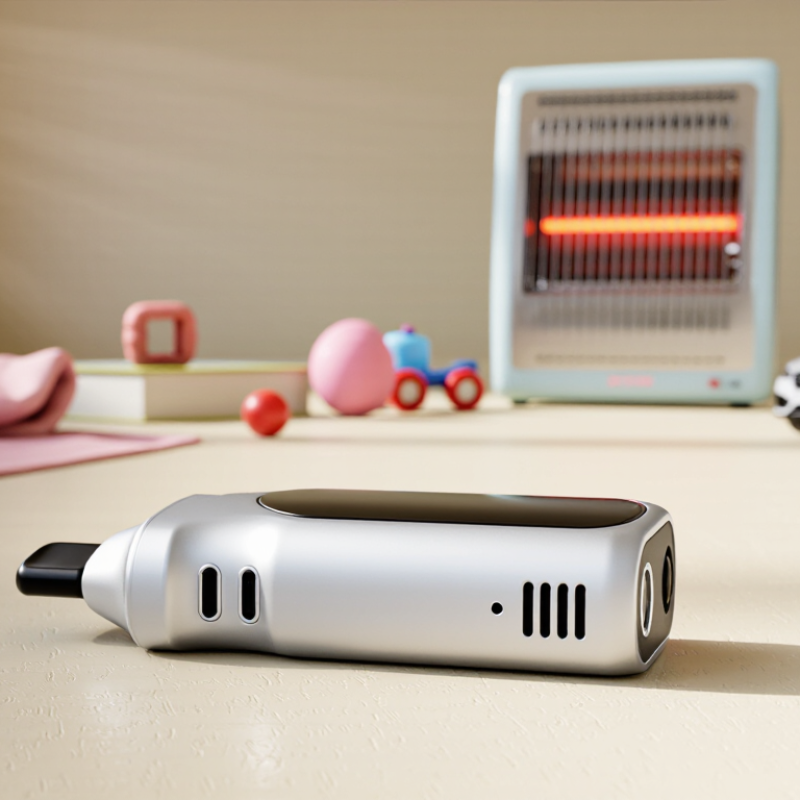
How to Prevent a Disposable Vape From Overheating?

Understanding Why Disposable Vapes Overheat

How to Prevent a Disposable Vape From Overheating?

Understanding Why Disposable Vapes Overheat

Disposable vape overheating usually begins with heat accumulation, not a sudden mystery. Repeated puffs give the coil little time to cool. A blocked airflow path makes the problem worse. Pocket lint, dust, or a tightly closed case can restrict ventilation. Direct sunlight can raise the device temperature before use. A damaged shell may expose the battery to pressure or moisture. Battery failure can produce heat, swelling, or a sharp chemical smell. Stop immediately if any appear.

The easy assumption is that mild warmth means normal operation. That assumption can be wrong. Avoid continuous puffing, and allow short cooling periods between uses. Keep the device away from heaters, car dashboards, and hot windows. Do not squeeze, puncture, open, or modify it. Never connect a disposable device to an improvised charger. It may not be designed for recharging.

Keep the airflow openings clear. Store the device in a cool, dry place. Avoid loose pockets with keys or coins. If it becomes unusually hot, stop using it. Place it on a nonflammable surface, away from people and flammable materials. Do not test it again after cooling. A damaged device can remain unsafe. Follow local guidance for battery or electronic-waste disposal. When uncertain, ask a qualified technician or waste service rather than guessing.

Recognizing the Warning Signs of Excessive Heat

How to Prevent a Disposable Vape From Overheating?

Recognizing the Warning Signs of Excessive Heat

A disposable vape should feel slightly warm, not painfully hot. Sudden heat is a warning sign. Put it down immediately if the body becomes difficult to hold. Watch for unusual crackling, hissing, or a burnt smell. These sounds may indicate an internal electrical or battery problem. A sharp chemical odor deserves attention too.

The vapor may also change before the device becomes dangerously hot. It can taste burnt, feel unusually harsh, or appear weaker than normal. Repeated automatic activation is another serious sign. So are leaks, swelling, cracks, or a loose mouthpiece. Stop using the device. Do not squeeze, puncture, open, or place it in water. Never carry a hot device in a pocket or bag.

Move it away from paper, fabric, direct sunlight, and other flammable materials. Place it on a stable, non-combustible surface, away from children and animals. Let it cool without handling it. Do not use a refrigerator or freezer. If it smokes, swells rapidly, or produces flames, leave the area and contact local emergency services. Do not pick it up. A common mistake is dismissing mild warmth as normal, especially outdoors on a hot day. That judgment can be wrong. When the warning signs are unclear, stopping use is the safer choice.

Using Proper Charging and Storage Practices

How to Prevent a Disposable Vape From Overheating?

Charging habits strongly affect a disposable vape’s temperature and battery safety. A disposable vape should not be recharged unless it is specifically designed for charging. Check the device instructions before connecting any cable. Use the recommended charger, and never force an incompatible connection. Place the device on a hard, nonflammable surface while charging. Keep it away from beds, sofas, paper, and direct sunlight. Do not leave it charging overnight or unattended.

Watch the temperature closely. A slightly warm device may occur during normal use, but strong heat, swelling, leaking, or a sharp chemical smell requires immediate caution. Disconnect a rechargeable model if it becomes unusually hot. Do not use, open, puncture, or repair a damaged device. I once assumed a warm battery was harmless, but that assumption was careless. Heat can build quietly inside a small casing.

Storage matters between uses. Keep the vape in a cool, dry place, away from windows, radiators, cars, children, and pets. Avoid loose storage with keys or coins, which may press against charging contacts or cause damage. A small protective case can help during transport. Do not store it in a bathroom, where moisture collects. Check it before each use. If the device feels hot before activation, set it aside and follow local battery-disposal guidance. Manufacturer instructions can seem inconvenient, yet they often address the exact battery design inside the device.

How to Prevent a Disposable Vape From Overheating? - Using Proper Charging and Storage Practices

Safety Area Recommended Practice Reason Action Level
Check the Device Type Confirm whether the disposable vape is rechargeable. Do not attempt to charge a device that is designed for single use. Non-rechargeable devices are not designed to safely accept external charging current. Stop immediately if the device is not rechargeable.
Use Compatible Charging Equipment Use only the charging cable, adapter, and charging method specified in the device instructions. Incompatible equipment can deliver unsuitable voltage or current and increase heat generation. Every charging session
Charge on a Hard Surface Place the device on a clean, dry, nonflammable surface while charging. Keep it away from bedding, sofas, paper, and clothing. Soft or combustible materials can trap heat and increase fire risk if a battery fails. Always
Monitor the Charging Process Remain nearby while charging and disconnect the device when the instructions indicate that charging is complete. Unattended charging can allow an overheating or damaged battery to remain connected. Do not charge unattended
Avoid Extreme Temperatures Keep the device away from direct sunlight, hot vehicles, heaters, open flames, and freezing conditions. Follow the temperature limits in the instructions. Extreme heat can accelerate battery degradation; extreme cold can affect battery performance and charging safety. Move to a cool, dry place
Inspect Before Use Check for swelling, cracks, leaking liquid, unusual odor, exposed wiring, or a damaged connector. Physical or chemical damage may indicate battery failure and can lead to overheating. Do not use or charge
Prevent Accidental Activation Keep the device away from keys, coins, metal objects, and loose items that could press the activation mechanism or short the contacts. Accidental activation or a short circuit can produce rapid heat buildup. During storage and transport
Store Safely Store the device in a cool, dry location away from children, pets, water, and flammable materials. Avoid leaving it in a car. Proper storage reduces exposure to heat, moisture, impact, and accidental contact. Whenever not in use
Respond to Overheating If the device becomes unusually hot, hisses, smokes, swells, or produces a strong odor, stop using it and move away from it if safe to do so. Do not handle a severely damaged device. These signs may indicate thermal runaway or another battery failure. Leave the area and contact emergency services if there is fire
Dispose of the Device Properly Do not throw a vape containing a lithium battery into household trash or recycling. Use an approved battery or electronic-waste collection point. Lithium batteries can be damaged or crushed during waste handling and may start fires. At end of service life

Important: Always follow the specific safety instructions supplied with the device. If the device is damaged, unusually hot, leaking, swollen, or smoking, do not use or charge it.

Avoiding Behaviors That Increase Overheating Risk

Overheating often starts with routine behavior, not a dramatic battery failure. Repeated puffs with little pause can warm the coil and battery. Let the device rest between uses. Do not keep it under a pillow, inside bedding, or tightly covered in clothing. Heat needs somewhere to escape.

The United States Fire Administration recorded 195 electronic-cigarette fire or explosion incidents from 2009 to 2016, including 133 injuries. Its report linked many events to battery failures, charging, or device damage. Never leave a disposable vape in a hot car or direct sunlight. Avoid carrying it beside coins, keys, or other metal objects. A damaged casing, leaking liquid, unusual smell, hissing, or rapid heating requires immediate caution. Stop using it. Do not puncture, open, crush, or repair the device.

CPSC guidance advises consumers to stop using damaged lithium-ion battery products and keep them away from combustible materials. Place a suspicious device on a cool, nonflammable surface only if moving it is safe. If it smokes, move away and contact emergency services. Do not test it again later. That is a mistake people make. Safety instructions are not perfect, especially when devices vary internally. However, shorter use periods, cooler storage, and careful handling reduce avoidable stress on the battery. Industry safety guidance from UL Solutions also emphasizes preventing physical damage and excessive heat around lithium-ion cells.

Responding Safely When a Disposable Vape Becomes Hot

A hot disposable vape needs attention, not curiosity. Stop using it immediately, and keep it away from your face, clothing, paper, and other flammable materials. Place it on a nonflammable surface, such as bare concrete, if it can be moved safely. Do not squeeze, puncture, open, or place it in water or a freezer. Those actions can worsen battery damage.

Tips: Watch for a burning smell, hissing, swelling, leaking liquid, or unusual heat. If any sign appears, step away and keep others away. Do not carry the device in a pocket or bag. A common mistake is checking the device repeatedly. Distance is safer. If smoke or flames appear, leave the area and contact local emergency services. Never handle a smoking device with bare hands.

Let the device cool completely without using it again. Even when the outside feels normal, internal battery damage may remain. Do not charge it or attempt repairs. Put it aside in a safe, dry location until local waste guidance explains proper disposal. Keep it away from children and pets. If liquid touches skin, wash with soap and water. If it reaches the eyes, rinse carefully and seek medical advice. The uncomfortable truth is simple: a disposable device that overheats should be treated as damaged, not tested one more time.

How to Prevent a Disposable Vape From Overheating?

Responding Safely When a Disposable Vape Becomes Hot

The chart shows general temperature reference points for lithium-ion battery safety. A warm device should be removed from use, kept away from flammable materials, and allowed to cool naturally in a well-ventilated area. Do not puncture, crush, freeze, or place a hot disposable vape in water. If it is smoking, swelling, leaking, or producing flames, move away and contact local emergency services. Temperature limits vary by device and battery design.

FAQS

How hot is too hot for a disposable vape?

It may feel slightly warm during normal use. Painful heat is not normal. Put it down immediately.

What warning signs suggest internal damage?

Watch for hissing, crackling, burning smells, chemical odors, leaks, swelling, cracks, or repeated automatic activation. Stop using it.

What should I do when the device becomes hot?

Move away from it. If safe, place it on bare concrete or another nonflammable surface. Keep it away from paper and fabric.

Should I carry a hot device in my pocket or bag?

No. Heat, pressure, and enclosed materials increase risk. Distance is safer.

Can I cool an overheated device in a refrigerator or freezer?

No. Do not use cold appliances or water. Let the device cool naturally, without touching it repeatedly.

What if smoke or flames appear?

Leave the area immediately. Keep children and animals away. Contact local emergency services, and do not pick up the device.

Can I charge or repair a device that overheated?

No. Do not charge, open, squeeze, or puncture it. Internal battery damage may remain after the outside feels normal.

What should I do with the damaged device afterward?

Keep it in a safe, dry location away from people and animals. Follow local waste guidance for proper disposal. Do not test it again.

Conclusion

A disposable vape can overheat when its battery is damaged, exposed to high temperatures, charged improperly, or pushed beyond normal use. Understanding what causes a disposable vape to overheat helps users recognize risks early. Warning signs may include unusual warmth, a burnt smell, leaking, swelling, hissing, reduced performance, or automatic activation. If the device becomes noticeably hot, stop using it immediately and move away from it.

To reduce overheating risks, follow the manufacturer’s charging instructions, use only compatible charging equipment when applicable, and never leave the device charging unattended or overnight. Store it in a cool, dry place away from direct sunlight, vehicles, water, children, and flammable materials. Avoid covering the device, carrying it loose with metal objects, using it repeatedly without breaks, or attempting to open, repair, or modify it. If it remains hot, smokes, swells, or makes unusual noises, do not touch it unnecessarily; place it in a safe, isolated area if possible and seek appropriate local guidance for battery disposal.

Henry

Henry

Henry is a dedicated marketing professional with a profound expertise in the company's offerings. With years of experience in the industry, he possesses an impressive understanding of the market dynamics and consumer behaviors that drive success. Henry is committed to sharing his insights through......