Disposable vapes have surged in popularity, attracting both curiosity and concern. Understanding what is inside a disposable vape liquid is crucial for users and non-users alike. Dr. Emily Sanders, a leading expert in vape research at the National Institute for Health, states, “The ingredients in vape liquids can significantly influence both user experience and health."
At the core of disposable vape liquids are a few primary ingredients. These typically include propylene glycol, vegetable glycerin, nicotine, and flavorings. Each component plays a specific role. Propylene glycol and vegetable glycerin act as bases, ensuring vapor production. Nicotine, a known stimulant, offers the addictive quality that many seek. Flavors provide the diverse palette that attracts users, from fruity to minty sensations.
Despite their appeal, there is an ongoing debate about the effects of these ingredients. Not everyone understands the risks associated with inhaling these liquids. Research continues to reveal new information, highlighting the complexity of what is inside a disposable vape liquid. Users must weigh the enjoyment against potential health consequences. Awareness is key for informed decisions.
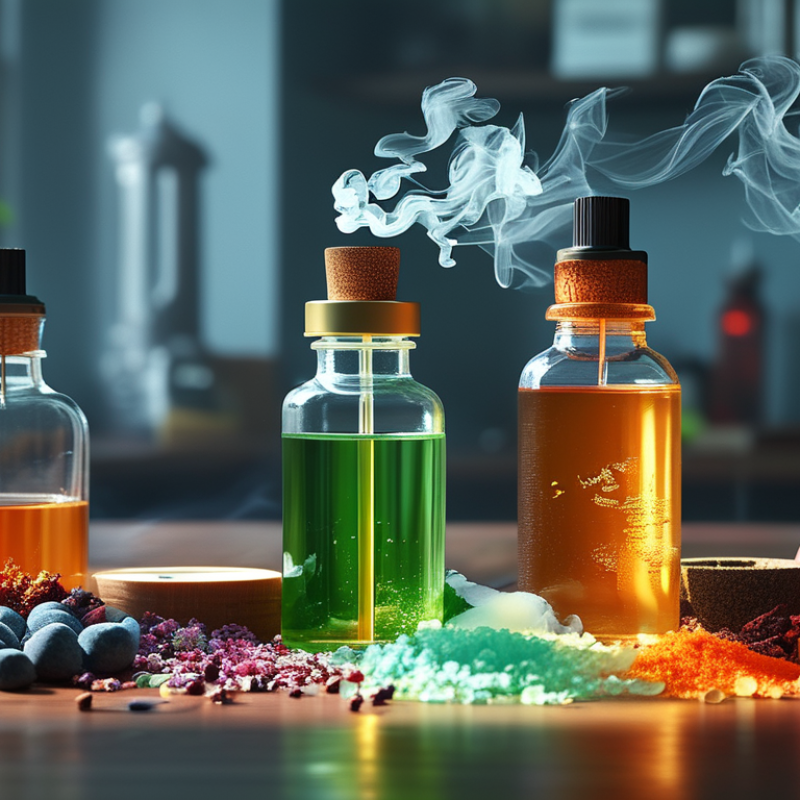
Understanding the Composition of Disposable Vape Liquids
Disposable vape liquids contain various components that impact user experience and health. The primary ingredients are usually vegetable glycerin (VG), propylene glycol (PG), flavorings, and nicotine. VG is a thick liquid that produces vapor when heated. It contributes to the vapor's density and sweetness. Studies indicate VG can compose up to 80% of the liquid for a smoother hit.
Propylene glycol is another common ingredient. It is known for its ability to carry flavor better than VG. However, some users report sensitivity to PG. This raises concerns about possible allergic reactions. Flavorings, often artificial, create diverse taste profiles. According to industry data, over 10,000 flavors exist, which presents a challenge in determining potential health impacts. Research about the long-term effects of these flavors is still limited. Some flavor chemicals may be relatively safe, while others pose risks that demand further investigation.
Nicotine's inclusion is also important. It can vary significantly between products. High levels can lead to increased dependency. Yet, many vape users seek varying nicotine strengths. Public health reports show a growing trend in nicotine-free options, as users become conscious of health risks. The appeal of being smoke-free often overshadows these elements, making consumer education essential. Understanding the composition of disposable vape liquids is crucial for making informed choices.
Composition of Disposable Vape Liquids
Key Ingredients in Disposable Vape Liquids: A Deep Dive
Disposable vape liquids contain several key ingredients that contribute to their overall experience. The primary component is propylene glycol (PG) and vegetable glycerin (VG). PG is known for delivering a throat hit similar to traditional smoking, while VG produces thicker vapor. According to a recent industry report, about 70% of vape liquids utilize a combination of PG and VG in varying ratios to cater to different preferences.
Another crucial ingredient is nicotine. It comes in various strengths, allowing users to choose their desired level. Research indicates that around 85% of e-liquid users opt for nicotine-containing products. These liquids may also include flavorings, which enhance the vaping experience. However, not all flavorings are created equal. Some can pose health risks when heated, reflecting the need for greater transparency in ingredient sourcing.
Lastly, some disposable vapes contain additives such as sweeteners and preservatives. These can affect both flavor and shelf life. Consumers often overlook these details. A study found that many users are unaware of the potential effects of these additives. This points to a broader issue: the need for improved education around the contents of vape liquids. Transparency is vital for making informed choices. More research is necessary to fully understand the long-term impacts of these ingredients on health.
What is Inside a Disposable Vape Liquid Explained - Key Ingredients in Disposable Vape Liquids: A Deep Dive
| Ingredient |
Function |
Health Considerations |
| Propylene Glycol |
Humectant and base liquid |
Generally recognized as safe; may cause irritation in some individuals |
| Vegetable Glycerin |
Thickening agent and vapor producer |
Considered safe for consumption; excessive inhalation may cause respiratory issues |
| Nicotine |
Addictive substance and stimulant |
Can lead to dependence; associated with cardiovascular issues |
| Flavorings |
Enhances taste |
Some may cause irritation or allergic reactions |
| Additives (e.g., sweeteners) |
Improves sweetness and flavor profile |
Generally safe; long-term effects of inhalation not well studied |
The Role of Propylene Glycol and Vegetable Glycerin in Vaping
When we explore the composition of disposable vape liquids, two key ingredients stand out: propylene glycol and vegetable glycerin. These substances play crucial roles in creating the vaping experience.
Propylene glycol is a colorless, odorless liquid. It is known for its ability to absorb water and produce a throat hit similar to traditional tobacco.
Vegetable glycerin, on the other hand, is thicker and sweeter. This ingredient creates larger vapor clouds and adds some flavor to the vape liquid.
The combination of these two components balances taste and vapor production. However, how these elements affect individual experiences can vary greatly. Some users report a sensitivity to propylene glycol, experiencing throat irritation.
While both ingredients are considered safe for consumption, their long-term effects in vaping are still under scrutiny. This highlights the need for continuous research and reflection on vaping practices.
As users, acknowledging personal reactions to these ingredients is essential. The experience is not the same for everyone, emphasizing the importance of understanding what goes into our vape products.
Analyzing Flavoring Agents: Natural vs. Artificial in Vape Liquids
When it comes to vape liquids, flavoring agents play a crucial role. These agents can be divided into two main categories: natural and artificial. Natural flavorings come from real food sources. They provide a more authentic taste. However, they can vary significantly in intensity and quality. On the other hand, artificial flavorings are created in labs. They offer consistency and can mimic complex flavors efficiently.
Choosing between natural and artificial can be tricky. Many users prefer the richness of natural flavors. Yet, some may find artificial flavors more satisfying. It's essential to consider your preferences. Not all artificial flavors are bad; some are quite popular. Testing different liquids can help you find the right balance for your taste buds.
Tips: Look for products that disclose their ingredients. Transparency is vital for making informed choices. Also, be cautious with overly sweet flavors. They may seem appealing but can lead to a less enjoyable experience over time. Explore various brands and types to widen your horizons. Each option offers something unique. Your flavor journey is personal, and experimenting is part of the fun.
Nicotine Levels in Disposable Vapes: What the Data Reveals
Disposable vapes have gained traction among users, especially for their nicotine delivery. Understanding the nicotine levels in these products is crucial. Research shows that nicotine concentrations vary dramatically. Some disposable vapes contain lower levels, around 3 mg/ml, while others reach up to 50 mg/ml. This significant range can impact user experience and dependence potential.
Different users may favor varying strengths. Beginners might prefer lower concentrations to avoid an overwhelming hit. On the other hand, seasoned users may gravitate towards higher levels for a more potent experience. It's essential to recognize that higher nicotine levels can lead to increased cravings and dependence. Users need to be conscious of their choices.
Exploring these levels raises questions about health and safety. Awareness of intended usage can guide consumers. Many individuals look for satisfaction without considering long-term consequences. Testing and research into the effects of these nicotine levels continue to evolve. Striking a balance between satisfaction and health remains a complex challenge for users and the industry alike.
Conclusion
This article delves into what is inside a disposable vape liquid, providing an in-depth understanding of its composition. It examines the key ingredients such as propylene glycol and vegetable glycerin, which serve as the base components in most vape liquids, creating the necessary vapor and throat hit. Additionally, the article discusses the use of flavoring agents, highlighting the differences between natural and artificial flavors, and how they enhance the vaping experience.
Furthermore, the article addresses nicotine levels commonly found in disposable vapes, presenting data that reveals the varying concentrations available to users. Through this exploration, readers gain a comprehensive insight into the essential elements that make up disposable vape liquids, helping them make informed choices about their usage.

 Blvck Vape