How to Spot a Fake Disposable Vape Before You Buy?

Time:2026-09-22 Author:Charlotte
0%

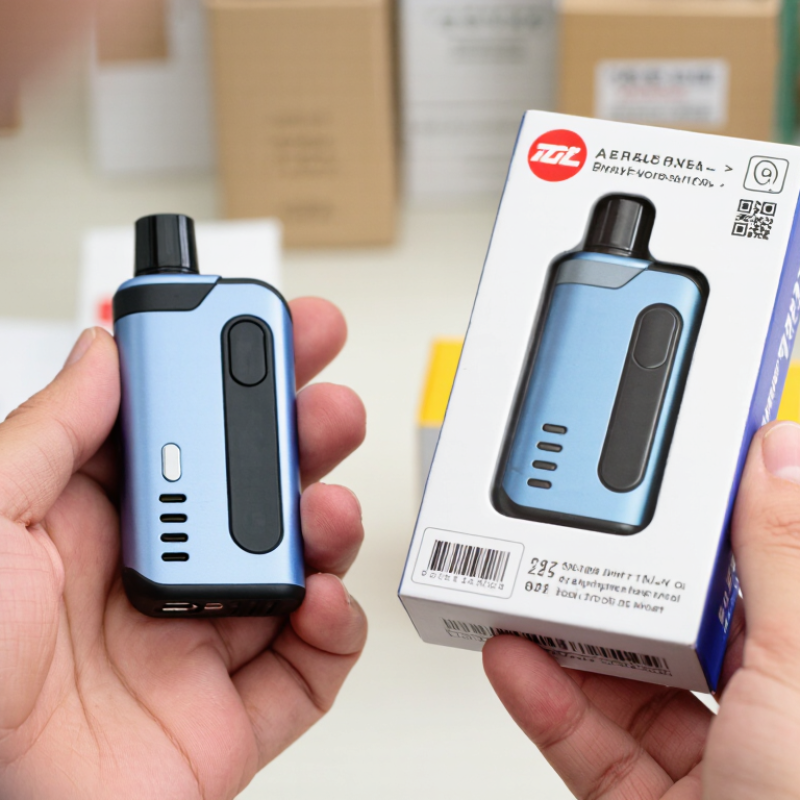
Buying a disposable vape should begin with product verification, not attractive packaging. The question many shoppers ask is: what are the signs of a fake disposable vape? The answer involves several visible and practical clues. Look for blurred printing, spelling mistakes, uneven logos, missing batch numbers, or a broken security seal. A genuine product should have clear manufacturing details and consistent packaging. However, packaging alone cannot prove authenticity.

Dr. Konstantinos Farsalinos, a physician and tobacco-harm-reduction researcher, has emphasized, “Product quality and safety must be verified, not assumed.” His point remains important. A device may look professional while hiding poor materials, unknown ingredients, or an unreliable battery. Check whether the QR code leads to an official verification page. Be cautious when it redirects to a strange website or displays an already-used code.

Physical details matter, too. Examine the mouthpiece, charging area, and airflow openings. Loose parts, leaking liquid, unusual smells, or excessive heat are warning signs. The device should not feel damaged or unusually light. A very low price can also signal an unauthorised supply chain, although price alone proves nothing.

Some checks are easy to miss. Buyers may focus on flavour and forget the batch information. I might even overlook a small label difference in a busy shop. That is why a receipt and a reputable seller matter. If the product seems suspicious, do not use it or open it. Keep the packaging and contact the manufacturer through its verified website. Safety decisions should rely on evidence, not assumptions.
How to Spot a Fake Disposable Vape Before You Buy?

Define the Legal Baseline: FDA Listed 34 Authorized ENDS Products in 2025

Before buying a disposable vape, define the legal baseline. In 2025, the U.S. Food and Drug Administration listed 34 authorized ENDS products. This list is the strongest first checkpoint. Authorization permits lawful marketing; it does not prove a product is risk-free. Check the exact product name, manufacturer details, and package information against the FDA database. A similar-looking package is not enough.

Physical clues matter. Inspect the seal, lot code, nicotine statement, and printed warnings. Blurred text, uneven colors, or a missing importer address deserve caution. Scan any verification code through the manufacturer’s official website, not a random page. The code may still be copied. I have learned that neat packaging can create false confidence.

The CDC’s 2024 National Youth Tobacco Survey reported about 1.63 million U.S. middle and high school students currently used e-cigarettes. That figure shows why traceability and age-compliant retail checks matter. The FDA’s authorized list can narrow the search, but it cannot confirm every individual unit. Compare the device with a verified listing, retain the receipt, and avoid products with damaged packaging or inconsistent labeling. Small details matter. techarv

Verify the Brand and Model in FDA’s Tobacco Product Database

How to Spot a Fake Disposable Vape Before You Buy?

A product label is not proof of authenticity. Check the exact manufacturer, model name, nicotine strength, and package size. Then search those details in the FDA’s Tobacco Product Database. Look for a matching product entry and its marketing authorization status. The wording must match precisely. A similar name is not enough. Small details matter.

The FDA and CDC reported 1.63 million U.S. middle and high school students currently used e-cigarettes in the 2024 National Youth Tobacco Survey. Disposable devices remained the most commonly used format. This data shows why careful product verification matters, especially when packaging targets younger audiences. Compare the database entry with the physical package, including warnings, batch information, spelling, and printed design. Scan codes can help, but they are not reliable proof alone.

If the model cannot be found, pause before purchasing. Ask the retailer for documentation, not just verbal assurance. A database match also cannot confirm that every individual unit is genuine. Packaging can be copied. I have seen checks become too focused on QR codes, which is a weakness. The FDA database is a stronger starting point, but it should be combined with clear labeling, authorized retail channels, and professional judgment.

How to Spot a Fake Disposable Vape Before You Buy? - Verify the Brand and Model in FDA’s Tobacco Product Database
Step Verification Dimension What to Compare Reliable Evidence Acceptable Result Red Flag
1 Exact product identity Compare the product category, brand name, model or product name, and package description with the information returned by the FDA Tobacco Product Database. FDA Tobacco Product Database search result and the product packaging. Exact match No result or meaningful mismatch
2 Market authorization status Check whether the specific product is associated with an FDA marketing authorization or another status indicating that it may be legally marketed in the United States. Official FDA database record or FDA authorization notice. Status is clearly identified Seller provides only a screenshot, link, or claim without a matching official record
3 Manufacturer or importer information Compare the responsible manufacturer or importer shown in the official record with the responsible party printed on the package. FDA record, package label, and importer or manufacturer details. Responsible party information agrees Information is missing, altered, or inconsistent
4 Nicotine warning For covered nicotine-containing products, look for the required warning statement: “WARNING: This product contains nicotine. Nicotine is an addictive chemical.” Clearly printed warning on the package or product presentation. Warning is present and legible Warning is absent, incomplete, or unreadable
5 Package consistency Compare spelling, typography, color alignment, tamper seals, lot information, and model markings against the official product information and normal packaging. Unopened package, product photographs, and official product record. Details are consistent Low-quality printing, spelling errors, damaged seals, or inconsistent markings
6 Traceability information Look for a lot number, batch code, serial number, or other traceability identifier where applicable, and confirm that it is printed rather than added with an ordinary sticker. Original packaging and seller documentation. Identifier is present and verifiable No traceability information or signs of alteration
7 Seller and supply chain Assess whether the seller provides a physical business address, receipt, product details, and a clear return policy. Invoice, receipt, seller information, and purchase documentation. Seller information is complete and consistent Cash-only sale, missing receipt, anonymous seller, or unusually low price
8 Final purchase decision Do not rely on a single feature. Review the database identity, authorization status, labeling, packaging, and traceability together. All available official and product-level evidence. All key checks pass Any major identity or authorization check fails

Audit Labels Against MHRA’s 20 mg/mL Nicotine and 2 mL Limits

A fake disposable vape often looks convincing under bright shop lighting. The label deserves closer attention. In the UK, MHRA guidance sets a maximum nicotine strength of 20 mg/mL and a maximum tank capacity of 2 mL. These are practical screening points, not decoration.

Check the numbers first. A label showing 50 mg/mL, 5 mL, or unclear capacity should raise concern. Small print matters. Look for nicotine strength in mg/mL, a nicotine warning, ingredient information, manufacturer details, and a traceable batch reference. Compare the product with the MHRA’s published notification information where possible. A high puff count is not proof of extra liquid, because advertised puffs depend on testing conditions. That part can be confusing.

Public health data explains why careful checking matters. Action on Smoking and Health’s 2024 youth vaping survey reported current vaping among 11-to-17-year-olds at 7.2% in Great Britain, compared with 4.8% in 2020. Packaging and availability therefore deserve serious scrutiny. I have learned not to trust a polished box alone. Labels can contain spelling errors, uneven printing, or missing warnings, yet genuine packaging is not always perfect either. If the nicotine figure conflicts with the volume, or essential details cannot be verified, leave it on the shelf and ask the retailer for compliance information.

Inspect QR Codes, Batch Numbers, Seals, and UL 8139 Claims

A genuine-looking package is not automatically genuine. The OECD-EUIPO 2021 report estimated that counterfeit and pirated goods represented up to 3.3% of global trade, worth about $464 billion in 2019. Disposable vapes can hide inside this wider problem. Inspect the QR code closely. It should open a secure verification page, not a strange domain or a blank form. Compare the product name, batch number, and production details shown online. A copied QR code can still look perfect.

Check the batch number on both the box and the device. They should match without blurred digits, uneven printing, or suspicious stickers. Look for an intact seal, clean adhesive, and packaging without cuts or re-gluing. Small details matter. A broken seal deserves caution. The UL 8139 claim also needs careful checking. This standard addresses electrical safety for vaping devices, but printed wording alone proves nothing. Confirm whether the claim refers to the exact model, not merely a similar product. The certification scope and file details should be clear and verifiable through an authoritative database. If the seller avoids basic questions, walk away. My own judgment can be too trusting when packaging looks polished. That is the uncomfortable part. Credibility needs evidence, not visual confidence.

Assess Sellers Using FDA Warning Letters, Pricing, and Return Policies

How to Spot a Fake Disposable Vape Before You Buy?

A seller’s history deserves attention before any product details. Search the FDA’s public warning-letter database using the seller’s legal name, website, or company address. A warning letter does not automatically prove every listing is counterfeit. However, it may reveal misleading health claims, missing information, or repeated compliance concerns. Check the letter date and compare its details with the current store. Some websites change names quickly.

Price can expose problems. Compare several established retailers, not just one listing. A disposable vape priced far below the usual range may involve damaged stock, unclear storage, or copied packaging. Be careful with urgent countdowns and “factory direct” claims. They create pressure. I have found that a polished website can still provide weak product information. That is an uncomfortable but useful reminder.

Read the return policy before entering payment details. Look for a real business address, customer-service contact, refund deadline, and clear conditions for unopened products. A policy that says “all sales final” offers little protection when packaging looks altered or the item arrives leaking. Save the receipt, product photos, and tracking details. Check whether the seller explains how defective items are handled. Vague wording matters. If the policy is difficult to find, changes during checkout, or demands unusual personal information, pause the purchase. A careful review is not a guarantee, but it reduces avoidable risk.

FAQS

What label figures should raise concern in the UK?

Check nicotine strength and liquid capacity first. UK rules set limits of 20 mg/mL nicotine and 2 mL capacity. A label showing 50 mg/mL or 5 mL needs scrutiny. Unclear numbers are concerning too.

Which details should appear on the packaging?

Look for nicotine strength, a nicotine warning, ingredients, manufacturer details, and a traceable batch reference. Missing information weakens confidence. Small print matters.

Does a high puff count prove the product contains more liquid?

No. Puff estimates depend on testing conditions and user behaviour. A large number does not prove extra liquid. That part remains confusing.

How can buyers compare a product with official information?

Check the product against current public notification records where available. Compare the strength, capacity, manufacturer details, and batch information. A mismatch deserves caution.

Can genuine packaging contain printing mistakes?

Yes, packaging is not always perfect. Spelling errors, uneven printing, or missing warnings still deserve attention. One mistake is not conclusive. Several mistakes feel different.

What public health concern makes careful checking important?

A recent survey reported current vaping among young people aged 11 to 17 at 7.2%. The figure was 4.8% in 2020. Packaging and availability therefore require serious scrutiny.

How should buyers assess an unfamiliar seller?

Search public warning-letter records using the seller’s legal name, website, or address. Check the letter date and current store details. A warning letter is not automatic proof of counterfeit goods.

What seller behaviour should make someone pause?

Compare prices across several established retailers. An unusually low price may involve damaged stock or unclear storage. Urgent countdowns create pressure. I still find them persuasive sometimes.

What should a return policy include?

Look for a real business address, customer-service contact, refund deadline, and conditions for unopened products. “All sales final” gives limited protection. Vague wording matters.

What records should buyers keep after ordering?

Save the receipt, product photographs, and tracking details. Check how defective or leaking items are handled. If information changes during checkout, pause the purchase. A review reduces risk, but guarantees nothing.

Conclusion

Before buying a disposable vape, start with the legal baseline. In 2025, the FDA listed 34 authorized ENDS products, so consumers should confirm whether the exact brand and model appears in the FDA’s Tobacco Product Database. For products sold in the UK, compare the label with MHRA requirements, including the 20 mg/mL nicotine maximum and 2 mL tank limit. These checks can help answer the question, “what are the signs of a fake disposable vape,” without relying only on appearance.

Next, inspect the packaging carefully. Missing or poorly printed QR codes, batch numbers, safety seals, ingredient details, or credible UL 8139 claims may indicate an unreliable product. Buyers should also evaluate the seller: review publicly available FDA warning letters, be cautious of unusually low prices, and confirm that clear return and refund policies are provided. If product information cannot be verified or the packaging appears altered, avoid purchasing it and choose a properly documented alternative from a reputable, compliant retailer.

Charlotte

Charlotte

Charlotte is a seasoned marketing professional with a deep understanding of the company's portfolio and a passion for elevating its presence in the market. With a keen eye for detail and a commitment to excellence, she ensures that our professional blog is regularly updated with insightful articles......