Top Ways to Fix a Disposable Vape That Won't Charge?

Time:2026-09-12 Author:Amelia
0%

A disposable vape that refuses to charge can create confusion, especially when its indicator light stays dark. The problem may involve a blocked charging port, a damaged cable, a worn battery, or an internal fault. Before searching for how to fix a disposable vape that won't charge, identify whether the device was designed for recharging. Some disposable models are sealed and should never be opened, modified, or forced to accept power.

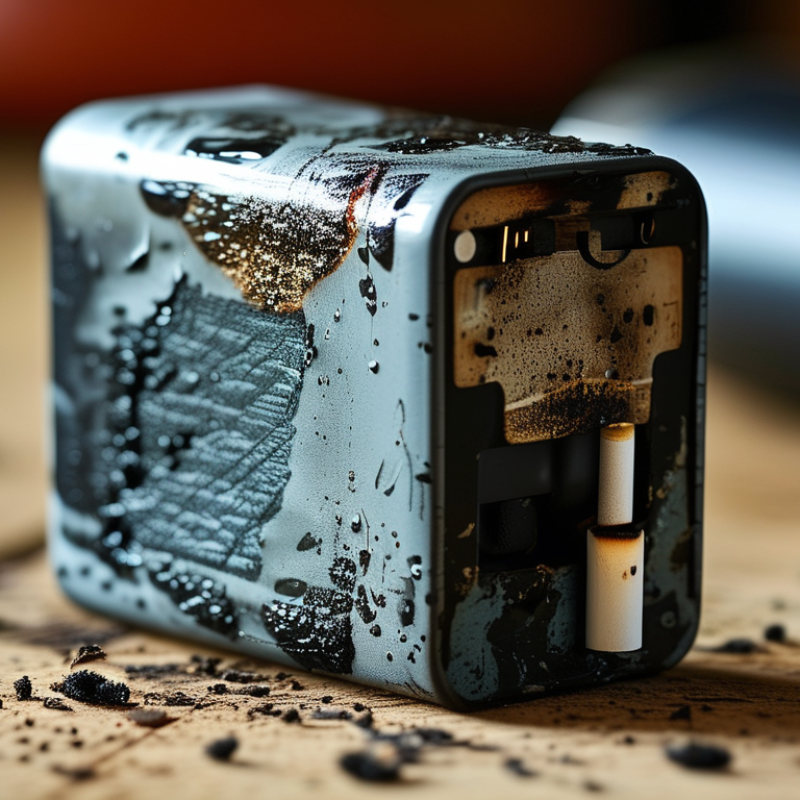
Paul Christensen, a battery-safety researcher at Newcastle University, offers a simple warning: “If a battery gets hot, stop using it.” That advice matters here. A safe check begins with the outside of the device. Look for swelling, cracks, leaking liquid, burnt smells, or unusual warmth. Do not connect a damaged device. Do not scrape the port with metal objects. A dry, soft brush may remove visible lint, but forcing debris deeper can worsen the fault.

Use only the manufacturer-recommended cable and power source. Keep the device on a clear, nonflammable surface while testing it. Never leave it charging overnight. If the light remains inactive after a short, supervised attempt, the battery may have failed. That is frustrating, but not every device can be rescued safely. Opening the casing can expose sharp parts, liquid, and an unstable cell.

This guide focuses on careful checks rather than risky repairs. Stop immediately if heat, smoke, swelling, or a chemical odor appears. Follow local battery-recycling guidance instead of placing a damaged device in household waste. Reliability sometimes means accepting that replacement is safer than repair.
Top Ways to Fix a Disposable Vape That Won't Charge?

Identify the Main Reason a Disposable Vape Will Not Charge

Top Ways to Fix a Disposable Vape That Won't Charge?

The main reason is often simple: the device may not be rechargeable. Check the casing for a charging port and clear charging instructions. Some disposable products are designed for one-time use and should never be connected to power. If a port exists, inspect it under bright light. Dust, pocket lint, or dried liquid can block the contacts. Do not insert needles or metal objects.

A faulty cable or power source can create the same symptom. Try a suitable cable and a standard, low-power adapter. Avoid damaged cables, fast-charging equipment, and loose connections. The indicator light may stay dark when the battery is deeply discharged, but it may also signal an internal failure. A warm body, swelling, leaking liquid, burnt smell, or cracked casing requires immediate caution. Stop charging and keep the device away from heat and flammable materials.

The battery itself may have reached the end of its service life. I have seen users blame the port when the internal cell was simply exhausted. That assumption is understandable, but not always correct. If the device remains unresponsive after checking the port, cable, and power source, do not open or repair it. Rechargeable disposable devices contain sealed components that can be damaged by tools. Follow local disposal guidance, especially for products containing lithium batteries.

Check the Charging Cable, Port, and Power Source

Top Ways to Fix a Disposable Vape That Won't Charge?

A disposable vape may not be rechargeable at all. Check its label and manual before connecting power. In practical troubleshooting, the cable is often the weakest link. Inspect it for bends, exposed wires, or a loose connector. Test a different, undamaged cable. The charging port should look dry and clean. Use a soft, dry brush to remove lint. Never insert metal objects. A blocked port can prevent proper contact.

Check the power source next. Try a standard wall adapter or computer USB port with stable output. Avoid damaged adapters, fast-charging accessories, and overloaded extension sockets. The U.S. FDA and CDC reported 2.13 million current e-cigarette users among American middle and high school students in the 2023 National Youth Tobacco Survey. That scale makes clear safety guidance important. UL Research Institutes warns that damaged lithium-ion cells can enter thermal runaway, producing intense heat and fire. Stop immediately if the device becomes hot, swollen, cracked, or smells unusual. Do not open it. Do not force the connector. I might blame the battery too quickly; the port may be the real problem.

Tips: Try another cable first. Keep the device visible while charging. Never charge it overnight or on bedding. If charging still fails, treat the device as defective and follow local battery-disposal guidance. A disposable product should not be modified or repaired internally. Safety matters more than recovering a small remaining charge.

Top Ways to Fix a Disposable Vape That Won't Charge

Check the charging cable, port, and power source before assuming the device has failed. The chart shows three practical verification steps for each area; these are checklist counts, not failure-rate statistics.

Safety note: Stop using the device if it becomes unusually hot, leaks, swells, smells abnormal, or shows visible damage. Do not open or modify a disposable vape.

Clean the Charging Connection and Inspect for Damage

A disposable vape that will not charge often has a dirty or damaged charging connection. Unplug it before checking. Use a dry cotton swab or soft brush to remove lint and dust from the port. Do not insert needles, paper clips, or other metal objects. They can bend internal contacts or create a short circuit.

A quick wipe is not a complete repair.

Inspect the port under bright light. Look for bent pins, loose plastic, corrosion, liquid residue, cracks, or a burnt smell. The cable should fit firmly without pressure. Never force it.

The U.S. Fire Administration’s 2017 analysis recorded 195 electronic-cigarette fires and explosions from 2009 to 2016, including 133 acute injuries. This historical report does not predict every device failure, but it shows why physical damage deserves attention.

Stop using the device if it becomes unusually hot, swells, leaks, smokes, or makes a hissing sound. Do not open a sealed disposable device or attempt internal repairs. Place it away from flammable materials and follow local battery-waste guidance.

If the connection looks clean but charging still fails, the internal battery or circuit may be defective. That is not a cleaning problem.

Use only the charging method recommended in the product instructions, keep the device visible while charging, and avoid overnight charging. Some users keep testing a faulty unit because the indicator briefly flashes; that small signal can be misleading.

Try Safe Charging Steps and Monitor the Device

A disposable vape that will not charge may not be faulty. Many disposable devices are designed for one-time use and have no charging circuit. If a charging port is present, inspect it under bright light. Remove lint gently, but never insert metal tools. Use the supplied cable or a manufacturer-approved replacement. Connect it to a stable power source, then watch the indicator.

Charging should happen on a cool, nonflammable surface. Never leave the device charging overnight or inside a car. Stop immediately if it becomes hot, swells, leaks, smells unusual, or makes a hissing sound. The U.S. Fire Administration documented 195 e-cigarette fire and explosion incidents from 2009 to 2016. That historical report shows why battery warning signs deserve attention, even when the device appears small. I have found that users often keep retrying a failed charge. That is not always sensible.

Tips: Check the cable, port, and indicator first. Do not open the casing. Do not bypass the charging circuit. If charging still fails after one careful attempt, stop using the device and follow local electronic-waste guidance. A dead disposable device should not be repaired at home. Be cautious.

Top Ways to Fix a Disposable Vape That Won't Charge? – Try Safe Charging Steps and Monitor the Device

Step or Check What to Look For Safe Action Stop Using the Device If...
Confirm that charging is supported The device has a manufacturer-provided charging port and instructions that permit recharging. Only attempt charging when the device is specifically designed to be rechargeable. A sealed, non-rechargeable disposable should not be modified or charged. There is no charging port, the device is labeled non-rechargeable, or charging requires opening or rewiring it.
Inspect the charging port Lint, dust, e-liquid, bent contacts, or visible damage may prevent a connection. Disconnect the device and gently remove loose dry debris from the exterior. Keep liquid away from the port. The port is wet, burned, loose, corroded, crushed, or visibly damaged.
Check the cable and power source A frayed cable, bent connector, or faulty power source can interrupt charging. Use an undamaged, compatible cable and a suitable power adapter or USB power source. Follow the device instructions. The cable becomes hot, smells unusual, sparks, or shows exposed wires.
Make a firm connection The charging indicator may remain off when the plug is not fully inserted or the contacts are obstructed. Connect the cable gently and place the device on a stable, non-flammable surface. You must force, twist, or repeatedly bend the connector to maintain contact.
Monitor the device while charging Mild warmth can occur, but excessive heat, swelling, hissing, or smoke indicates a possible battery fault. Remain nearby, keep the device uncovered, and disconnect it when the charge is complete or if anything unusual occurs. The device becomes very hot, swells, leaks, vents gas, makes unusual sounds, or produces smoke.
Avoid unsafe charging locations Beds, sofas, direct sunlight, vehicles, and areas near paper or other combustibles can increase fire risk. Charge only on a clear, dry, hard surface away from heat, moisture, children, and pets. The device or charger is wet, exposed to extreme heat, or placed near flammable materials.
Do not force a failed charge No indicator, repeated disconnection, or failure after checking the cable may mean the battery or electronics are defective. Disconnect the device, do not open or bypass the battery, and replace or dispose of it according to local battery-waste guidance. The device still will not charge, has physical damage, or shows any overheating or leakage.
Respond to smoke or fire A lithium-ion battery may become hazardous if it overheats, is damaged, or fails during charging. Move away, keep others clear, call emergency services if needed, and follow local fire-safety guidance. Do not handle a burning device. There is smoke, flame, rapid swelling, or a strong chemical odor.

Safety reminder: Never charge a disposable vape that is not designed to be rechargeable, and never leave a rechargeable device charging unattended or overnight.

Know When to Stop Troubleshooting and Replace the Vape

Top Ways to Fix a Disposable Vape That Won't Charge?

A disposable vape may fail because of a blocked charging port, a loose cable, or a depleted battery. Check the port under a bright light. Remove lint gently with a dry, non-metal tool. Try a compatible cable and power source for 20 to 30 minutes. Keep the device on a flat, dry surface while charging. Do not force the connector. Do not use damaged cables, adapters, or improvised wires.

Know When to Stop Troubleshooting and Replace the Vape

Stop immediately if the device becomes hot, swollen, cracked, wet, or smells unusual. A leaking liquid near the charging port is also a serious warning. Never open the casing or attempt to replace the internal battery. Disposable devices are not designed for safe repair, and hidden battery damage can worsen without visible signs. If the indicator stays dark after basic checks, replacement is the safer choice.

Be honest about the risk. Repeating the same charging attempt rarely fixes an internal fault. I have seen people blame the cable while ignoring a warm battery or a bent port. That mistake is easy to make. It is also avoidable. Place the unusable device somewhere away from heat and flammable materials, then follow local electronic-waste disposal guidance. Do not throw a damaged battery into household trash.

FAQS

How can I tell whether a disposable vape is rechargeable?

Check the casing, label, and instructions for a charging port. Some models are designed for one-time use. Never connect those devices to power.

What should I check first when charging fails?

Inspect the cable for bends, exposed wires, or a loose connector. Try a different, undamaged cable. The cable may be the real problem.

How should I clean the charging port?

Unplug the device first. Use a dry cotton swab or soft brush to remove lint and dust. Never insert needles, paper clips, or metal objects.

Which power source is safest for testing?

Use a standard wall adapter or stable computer USB port. Avoid fast-charging equipment, damaged adapters, and overloaded extension sockets. Keep the device visible.

What does a dark charging light mean?

It may indicate a deeply discharged battery, poor contact, or internal failure. A brief flash does not prove safe charging. The signal can mislead.

When should I stop charging immediately?

Stop if the device becomes hot, swollen, cracked, leaky, or unusually scented. Smoke, hissing, or a burnt smell requires immediate caution. Do not continue testing.

Can I open or repair a disposable vape that will not charge?

No. Sealed batteries and circuits can be damaged by tools. Do not force connectors or attempt internal repairs. Safety matters more than recovering a small charge.

What should I do if cleaning and cable checks do not help?

Treat the device as defective if it remains unresponsive. Keep it away from heat and flammable materials. Follow local guidance for battery-containing waste.

Conclusion

Learning how to fix a disposable vape that won't charge starts with identifying the likely cause. The issue may come from a depleted or damaged battery, a loose connection, a blocked charging port, a faulty cable, or an unsuitable power source. Check that the cable fits securely, try a different compatible cable or power adapter, and inspect the port for dust, moisture, bent contacts, or other visible damage. Clean the connection gently and keep the device dry, avoiding sharp objects or excessive force.

If the device appears undamaged, place it on a stable, nonflammable surface and allow it to charge while monitoring it. Do not use it if it becomes unusually hot, swells, leaks, smells strange, or shows signs of electrical damage. If basic checks do not solve the problem, or if the disposable device is designed without user-serviceable parts, stop troubleshooting and replace it through an appropriate disposal process. Never open, puncture, modify, or attempt to repair its internal battery.

Amelia

Amelia

Amelia is a seasoned marketing professional with a wealth of expertise in our company’s core offerings. With an unwavering passion for driving growth and innovation, she plays a pivotal role in shaping our marketing strategies and enhancing brand visibility. A key aspect of her responsibilities......