Disposable vapes look simple, but their lithium-ion batteries still require careful storage. Learning how to store disposable vapes for a long time means reducing heat, moisture, pressure, and accidental activation. It does not mean keeping every device indefinitely.
The U.S. Fire Administration’s 2017 Electronic Cigarette Fires and Explosions report recorded 195 incidents involving e-cigarette fires and explosions between 2009 and 2016. The report linked many cases to battery failure, charging, or physical damage. Disposable models are usually sealed, yet their batteries can still degrade inside a hot car, damp drawer, or tightly packed bag. The U.S. Consumer Product Safety Commission also advises consumers to protect lithium-ion batteries from extreme temperatures, crushing, and metal contact.
Battery University founder Isidor Buchmann explains, “A battery is a chemical device that converts chemical energy into electrical energy.” That reminder matters. A vape is not just a small plastic object. It contains energy.
Store unused devices in a cool, dry, shaded place. Keep them in their original packaging, away from keys, coins, children, pets, and direct sunlight. Avoid bathrooms, window ledges, glove compartments, and radiators. Check occasionally for swelling, leaking, unusual odor, corrosion, or heat. Stop using damaged products. Do not attempt to repair or recharge devices designed for single use.
The advice is practical, not perfect. Battery aging varies by brand, temperature, and production date. Always follow the manufacturer’s instructions and local disposal guidance. Even careful storage cannot make a disposable vape safe forever.
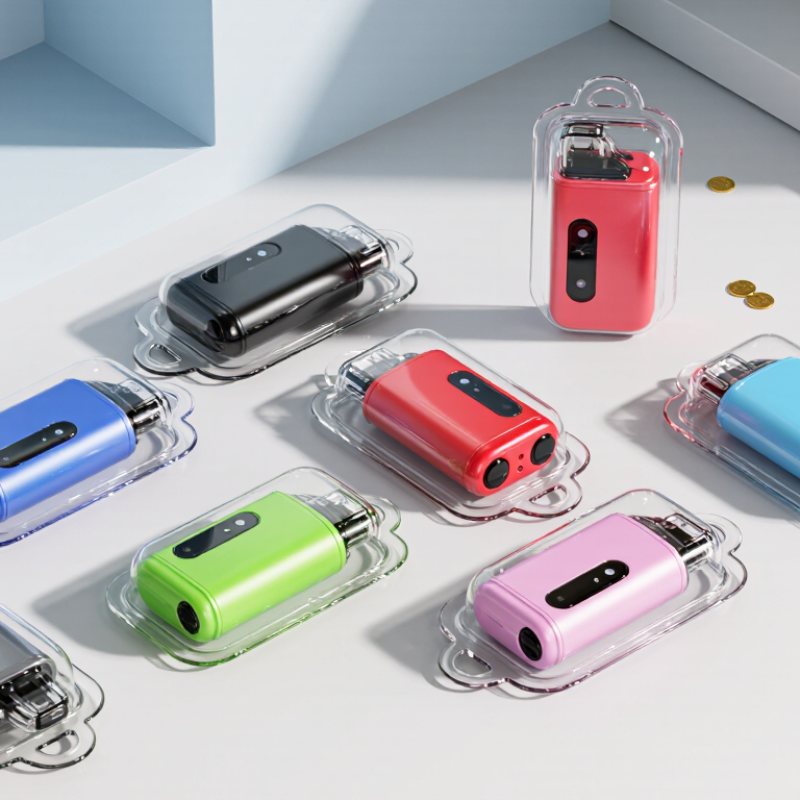
Disposable Vape Storage Requirements: What Matters Most
Disposable vapes need a cool, dry, and shaded storage place. The U.S. Fire Administration identifies heat, physical damage, and charging mistakes as common lithium-ion battery hazards. Although disposable devices are not designed for recharging, heat can still stress their sealed batteries. Keep them away from radiators, car dashboards, windows, and direct sunlight. A stable room temperature is safer than a hot cupboard.
Moisture also matters. Store each device in its original packaging, if available, with the mouthpiece covered. Avoid bathrooms, garages, and damp drawers. The International Air Transport Association’s 2024 lithium battery guidance emphasizes preventing short circuits and protecting battery terminals. Do not store loose devices beside keys, coins, or metal tools. A small box with separate compartments works better. Not perfect, but practical.
Long-term storage should also consider the liquid inside. Extreme cold may thicken it, while high heat can change its flavor, color, or consistency. Inspect every device before use. Discard it if the casing is swollen, cracked, leaking, unusually warm, or smells burnt. Keep all devices away from children and pets. The U.S. Consumer Product Safety Commission repeatedly warns that lithium batteries can cause fires when damaged. I would not rely on a manufacturer’s “long shelf life” claim without checking its storage instructions. Even unopened products can age.
| Storage Factor | Recommended Practice | Why It Matters | What to Avoid | Safety Check |
|---|---|---|---|---|
| Temperature | Keep in a cool, stable indoor location, generally around 15–25°C (59–77°F). | Moderate temperatures help protect the lithium battery, seals, and e-liquid from unnecessary stress. | Do not leave the device in a hot vehicle, direct sunlight, near a heater, or in freezing conditions for extended periods. | Allow a device exposed to extreme temperatures to return to room temperature before using it. |
| Humidity and Moisture | Store in a dry location away from bathrooms, sinks, rain, and condensation. | Moisture can damage electronic components, weaken packaging, and increase the risk of malfunction. | Do not store it in a refrigerator or freezer, and never immerse it in water. | If the device becomes wet, do not use or charge it; isolate it and follow local battery or e-waste guidance. |
| Position | Keep the disposable vape upright when practical, with the mouthpiece facing upward. | An upright position may help reduce leakage and keep e-liquid away from the airflow path. | Avoid storing it loosely on its side in a pocket, bag, or drawer where leakage may go unnoticed. | Check the mouthpiece and exterior for liquid, residue, cracks, or unusual odor before use. |
| Protection from Physical Damage | Place it in a clean, rigid container or separate compartment where it cannot be crushed. | Protecting the casing and internal battery helps reduce the chance of short circuits or accidental activation. | Do not keep it with keys, coins, tools, or other metal objects that could contact battery terminals or damaged areas. | Do not use a device that is crushed, punctured, swollen, leaking, or unusually hot. |
| Battery Safety | Treat the built-in lithium battery as non-removable and keep the device away from flames and heat sources. | Lithium batteries can present a fire risk if damaged, overheated, or short-circuited. | Do not attempt to open, modify, puncture, or remove the internal battery. | Stop using it immediately if it swells, hisses, produces smoke, smells unusual, or becomes very hot. |
| Child and Pet Safety | Store it in a locked, elevated location that children and pets cannot access. | Nicotine-containing e-liquid can be harmful if swallowed or absorbed through the skin. | Never leave it on a desk, bedside table, in a car, or in an unlocked bag. | If e-liquid is swallowed or gets into the eyes or onto the skin, seek urgent medical or poison-control advice. |
| Packaging and Labeling | Keep unused devices in their original sealed packaging when possible, and record the purchase date. | Packaging provides protection from dust and accidental activation while the date helps with stock rotation. | Do not store unmarked devices together if you cannot identify their contents or condition. | Review the device label and instructions before use; do not rely on appearance alone to judge remaining shelf life. |
| Long-Term Storage Rotation | Use older, intact devices first and periodically inspect stored units for leakage, damage, or battery changes. | Extended storage can affect e-liquid flavor and consistency, seals, and battery performance. | Do not use a device that has been stored for a long period if its condition is uncertain. | Discard any device showing leakage, corrosion, swelling, severe discoloration, or physical damage. |
| Transport | Carry it in a protective case or separate pocket, protected from impact and extreme temperatures. | Controlled handling reduces accidental activation, crushing, leakage, and battery damage. | Do not leave it in checked baggage or exposed to prolonged heat; follow the carrier’s rules for lithium-battery devices. | Inspect the device after travel before using it. |
| Disposal After Storage | Take depleted or damaged disposable vapes to an appropriate battery or electronic-waste collection point. | Disposable vapes contain batteries and electronic components that should not enter ordinary household trash where local rules prohibit them. | Do not burn, crush, puncture, or place the device in a fire or recycling bin intended only for non-battery materials. | Follow local disposal requirements and keep damaged units isolated from flammable materials until they can be handled safely. |
Keep them in a cool, dry, shaded room. Avoid heaters, windows, dashboards, and parked cars. Stable temperature matters.
Yes. Store devices away from bathrooms, garages, steam, and damp drawers. Keep the mouthpiece covered when possible.
Use the original packaging or a small divided box. Store devices separately and upright. This reduces contact and accidental damage.
No. Metal objects can damage battery terminals or create short-circuit risks. Keep keys, coins, and tools in another compartment.
Usually not. A parked car can become extremely hot, even on a mild sunny day. Choose a cool indoor drawer instead.
Do not use it if the casing is swollen, cracked, leaking, unusually warm, or burnt-smelling. Trust visible warning signs.
Heat may change its flavor, color, or consistency. Extreme cold can make the liquid thicker. Inspect it before use.
Do not recharge, modify, or puncture it. Keep it away from people and flammable materials. Follow local disposal guidance.
Store every device in a secure place they cannot reach. A high, closed cabinet is better than an open bedside drawer.
Not completely. Products can age, even unopened. I would check the device condition instead of trusting a long shelf-life claim.
Learning how to store disposable vapes for a long time begins with understanding their basic storage needs. Keep them in a cool, dry, and well-ventilated place away from direct sunlight, heaters, hot vehicles, and areas exposed to water or high humidity. Store each device where it will not be crushed, punctured, dropped, or exposed to extreme temperature changes. Avoid placing disposable vapes near food, liquids, children, or pets, and do not leave them loose in pockets or bags where they may be damaged.
For better organization, keep devices in a stable container, label them with purchase dates when possible, and check them regularly for swelling, leaking, corrosion, cracks, unusual odors, or other visible damage. A stored vape should be discarded if it becomes damaged, overheated, wet, deformed, or otherwise appears unsafe. Do not attempt to repair, open, or reuse a compromised device. Follow local disposal guidance for electronic products and batteries.

 Blvck Vape